Medicube Zero Pore Pad 2.0 Review: Three Years of Using It
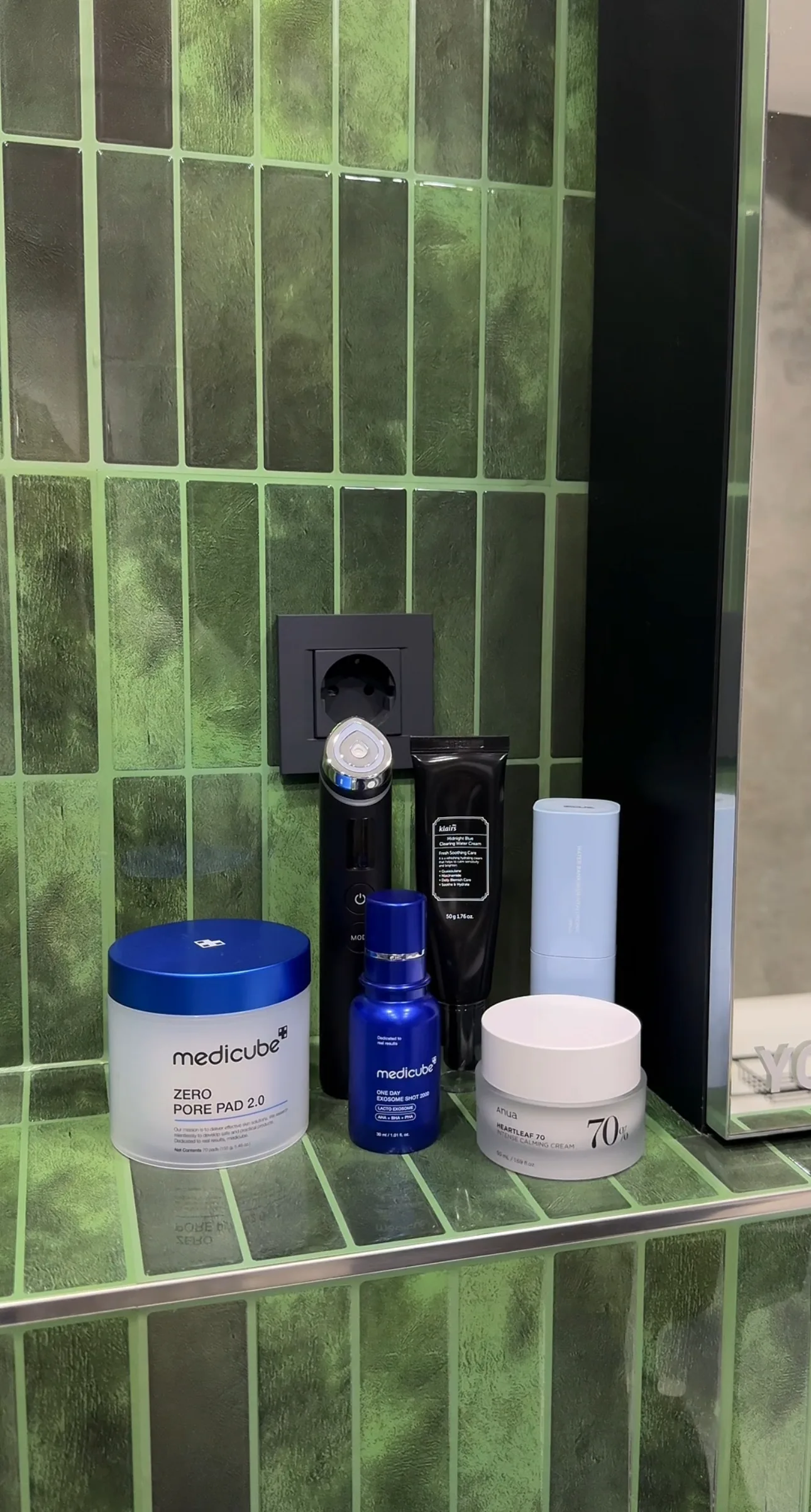
This is my Medicube Zero Pore Pad 2.0 review after about three years of on-and-off use. It’s the product I reach for when blackheads and visible pores need attention, and I still keep a jar on my shelf.
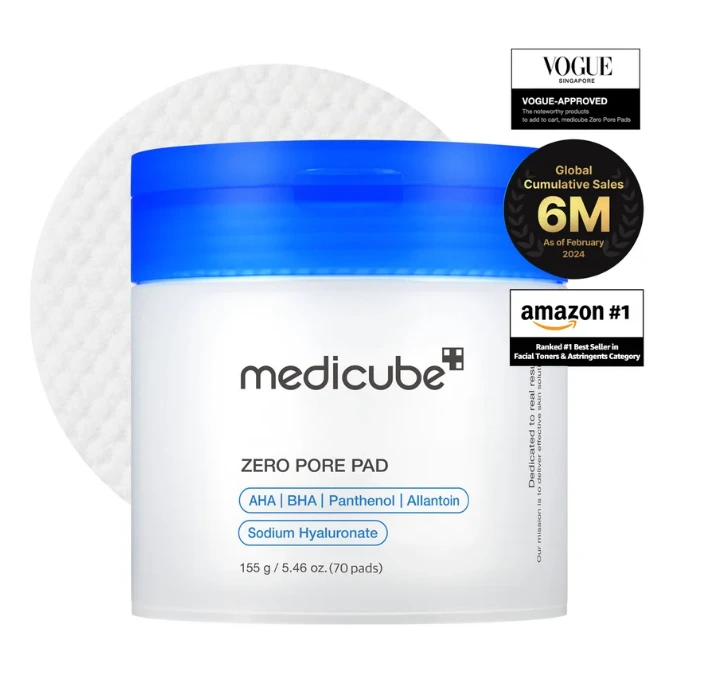
Below: how I use it, how often, what it did for my skin, what’s inside, and how it compares with the other pore pad I’ve tried.
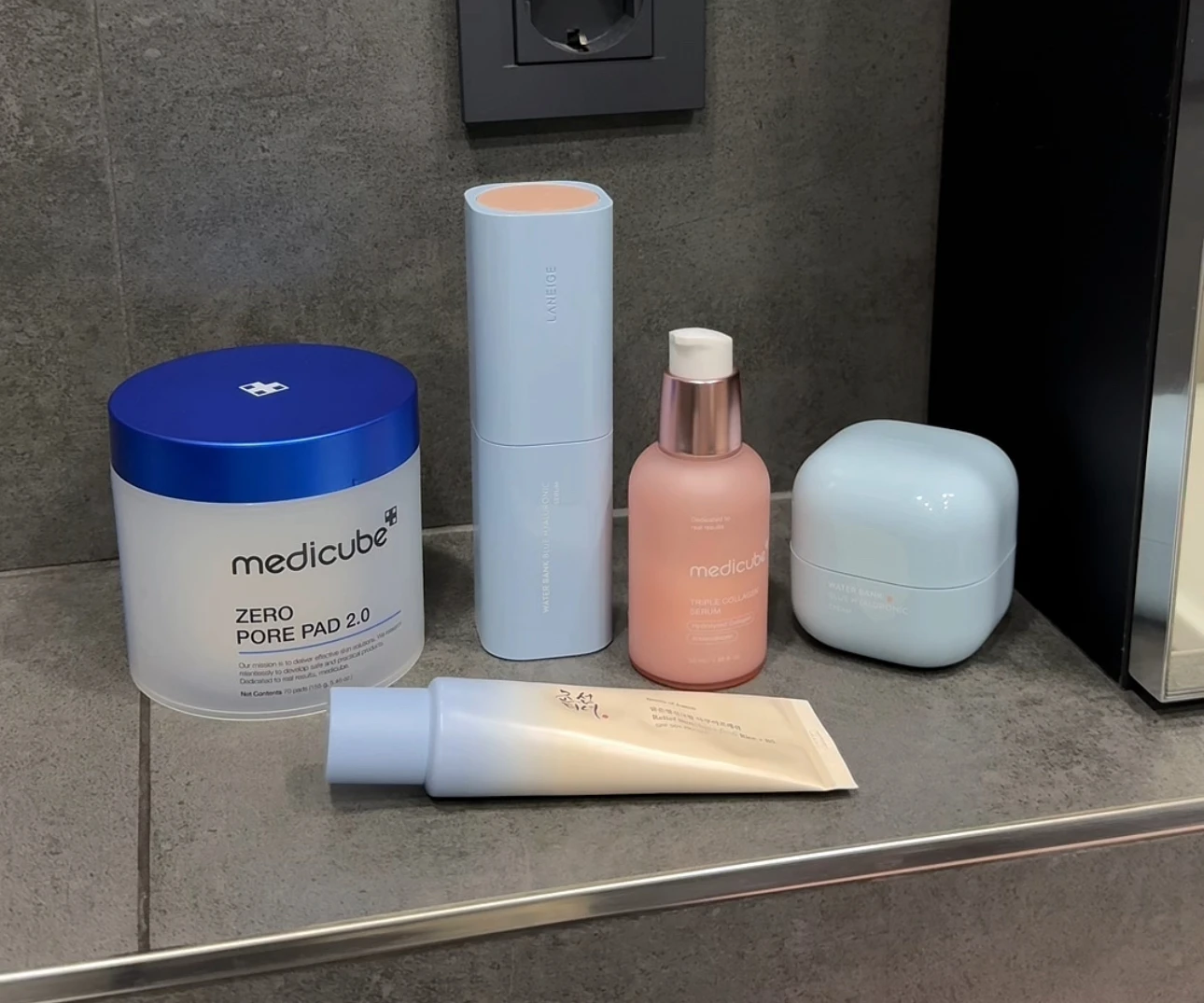
Zero Pore Pad 2.0, at a glance
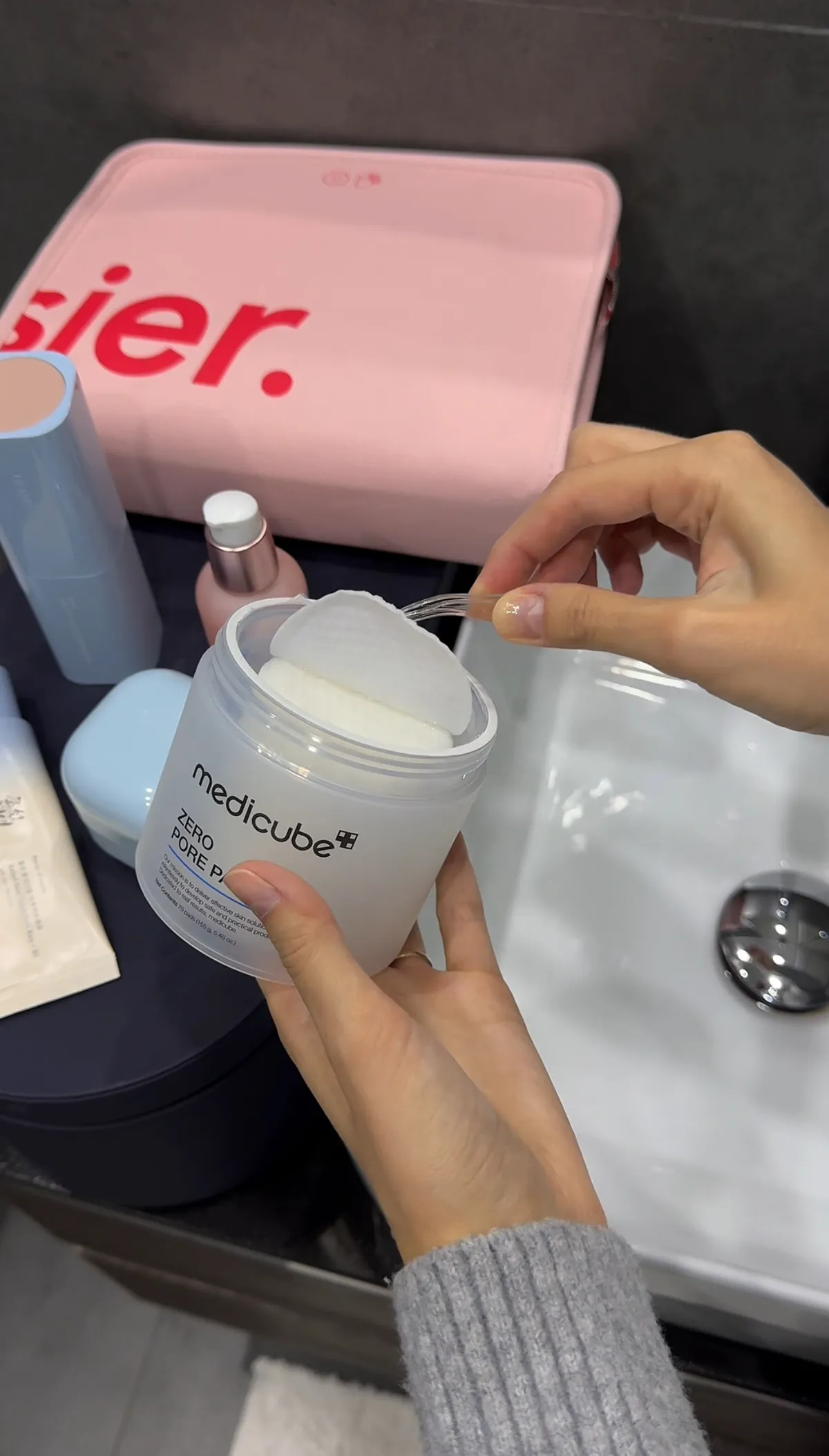
What’s inside and what it targets
The ingredients come from Medicube’s official product page; the skin-concern notes are my own experience.
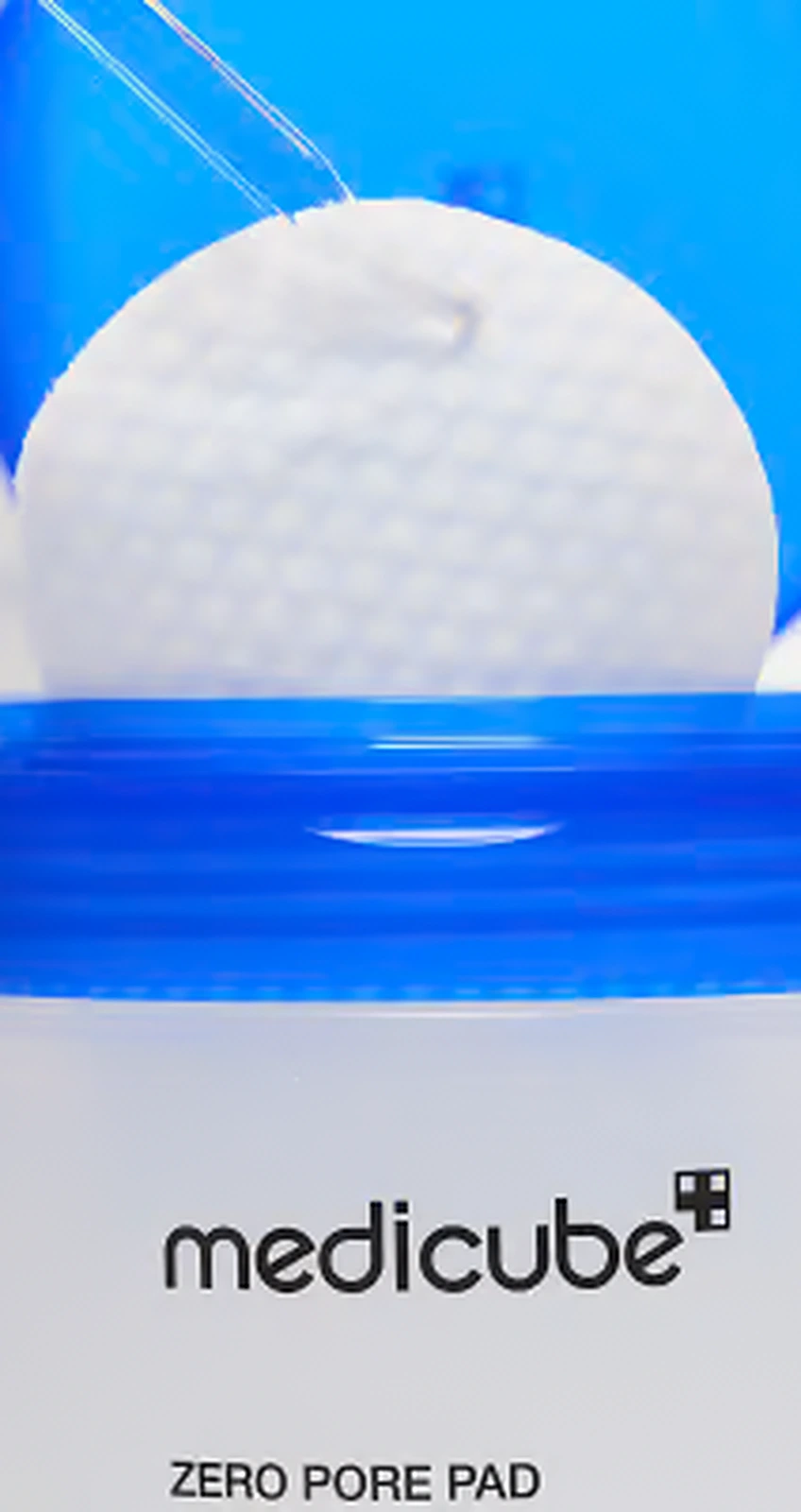
The brand names an AHA fruit complex and a natural BHA source as the key ingredients.
Lactic acid and fruit complex (AHA)
Surface exfoliants. Lactic acid is on the official list, and the page names the fruit complex as an AHA but gives no percentage. It fits what I notice most: smoother skin and a more radiant look.
Salicylic acid and betaine salicylate (BHA)
The brand lists 0.45% white willow bark as its natural BHA source. This is the part aimed at blackheads and clogged pores.
also made with panthenol, allantoin, sodium hyaluronate, centella asiatica extract, alcohol denat and citrus, rosemary, eucalyptus and lavender oils
| Concern | My experience |
|---|---|
| Blackheads | Lighter after regular use. This is my main reason to use the pads. |
| Enlarged pores | They look much smaller and cleaner to me. |
| Excess sebum | Helpful when oil builds up. I use them more often in those phases. |
| Dull, rough texture | My skin feels smoother and looks more radiant. |
| Sensitive-leaning skin | Fine for me when I glide and don’t scrub. |
| Breakouts and acne | I haven’t used them for breakouts, so I can’t say. |
Worth checking
The official ingredient list includes alcohol denat and essential oils: orange, lemon, grapefruit, bergamot, rosemary, eucalyptus and lavender. Limonene, a fragrance allergen, is listed too. If your skin is fragrance-sensitive, read the full list on your jar and patch-test first. I’m not a dermatologist, so for allergies or pregnancy ask yours.
How to use it, and what to apply after
In the morning I use them when I want really clean skin and fresh-looking pores, especially before going out, because my makeup sits better afterwards. Some evenings I use them too, to clear my pores. This is how I go about it:
- I start with the smooth side and go lightly over my whole face.
- Then I flip the pad and use the textured side on the places where my blackheads and pores show: forehead, nose, the cheeks beside my nose and my chin.
- I spend a little longer in the creases of my nose and the fold under my lower lip.
- I don’t rinse my face afterwards.
- Next come barrier-supporting hydrating serums and creams.
If your pores clog easily, I’d also swap rich cream textures for gel creams and lighter versions. Because it contains exfoliating acids, SPF is the sensible last step in the morning.
They erase blackheads and shrink my pores.
My results: blackheads and pores
My blackheads got lighter and my pores looked much smaller. With regular use my skin looks more radiant, simply because it’s smoother and the pores are cleaner. The results show up almost immediately.
I had no breakout at the start, so no purging in my case. I’ve also recommended these pads to friends who struggle with large pores and blackheads. They love them and use them regularly.
Can you use it every day, and is it OK for sensitive skin?
Every day: yes, if you don’t rub.
The pads are gentle enough for daily use. The only redness I had at first came from the physical friction of the textured side while I concentrated on my pores. It had nothing to do with the formula. Scrubbing hard with fabric can cause redness, sensitivity and even tiny cracks in the skin, so glide, don’t scrub.
Sensitive skin and pregnancy.
With that in mind, the pads work fine for my sensitive-leaning skin. I never noticed stinging or dryness. I haven’t looked into whether they’re okay during pregnancy or breastfeeding, so please ask your doctor about that.
How often, how long a jar lasts, and is it worth it?
One pad covers my whole face. Even if you use one every day, 70 pads last more than two months, and using them every other day stretches the jar further. For fighting pores and blackheads, they’re absolutely worth the money for me.
Use them regularly for 2 to 3 weeks. If you’re happy with the result, switch to 2 or 3 times a week to maintain it. If your blackheads are stubborn, a pad can also work as a once-a-week mask on the problem zones for deeper cleansing.
Medicube vs Celimax: is there a dupe?
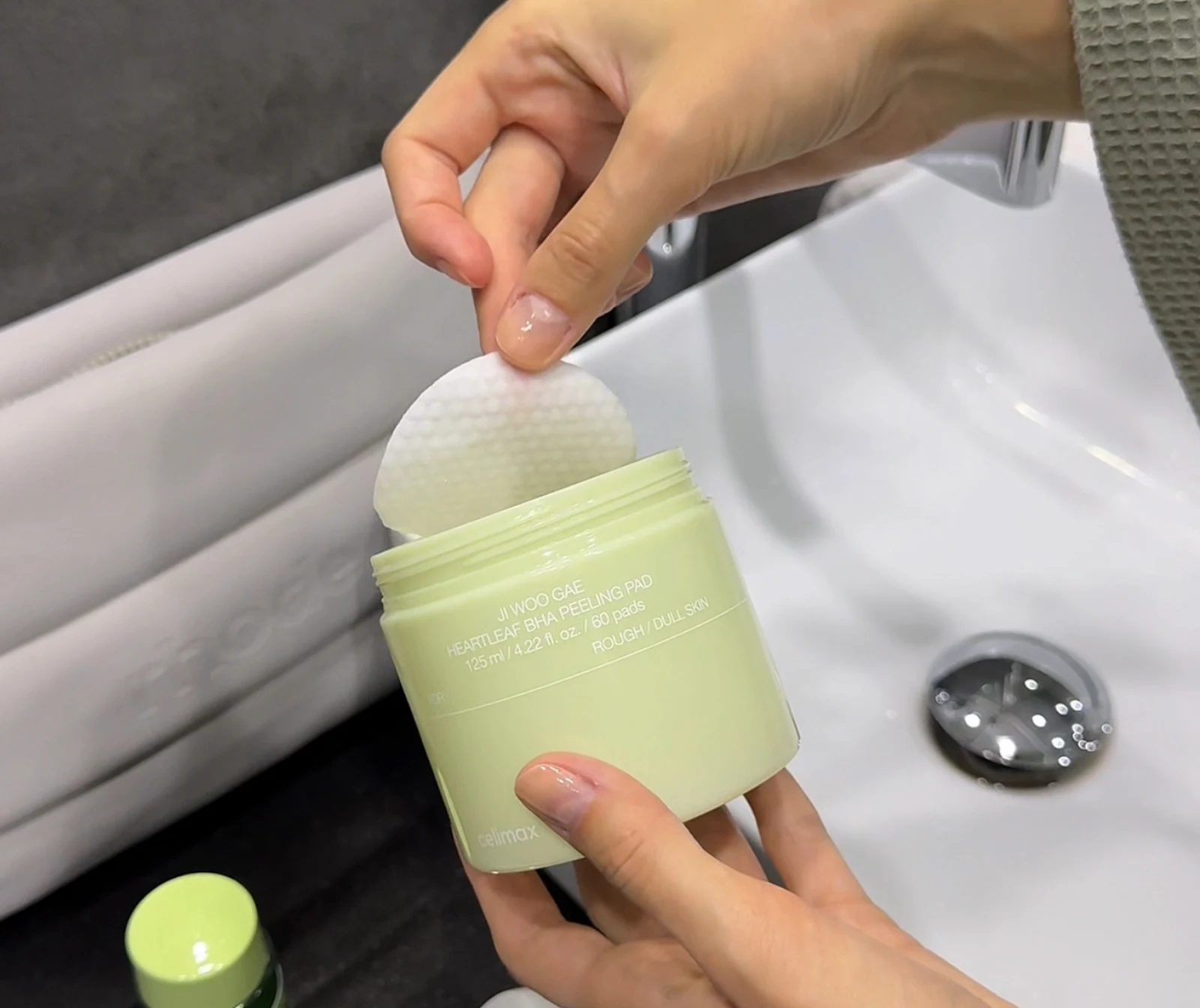
I don’t know whether Celimax Ji.Woo.Gae Heartleaf BHA Peeling Pad counts as a dupe for Zero Pore Pad 2.0, but it’s the other pad I’ve used for blackheads, pores and deeper cleansing. It works well too, and I like the results. The prices are almost the same: $18.50 for 60 Celimax pads and $21.50 for 70 Medicube pads.
Who it’s for
I recommend Medicube Zero Pore Pad 2.0 to anyone with blackheads, excess sebum and enlarged pores. I’d buy it again, 100%.
If you want a shortcut to what I use for the rest of my routine, I wrote about my morning skincare routine.
Quick answers
Can I use Medicube Zero Pore Pad every day?
Yes, I find them gentle enough for daily use. Just don’t rub hard, because the friction can irritate skin.
Do I need to rinse after using it?
No, I don’t rinse. I go straight to hydrating serums and creams.
Did it make me purge?
No, I had no breakouts when I started.
How often should I use it?
I’d use them for 2 to 3 weeks regularly, then 2 to 3 times a week, or once a week as a spot mask.
Keep reading
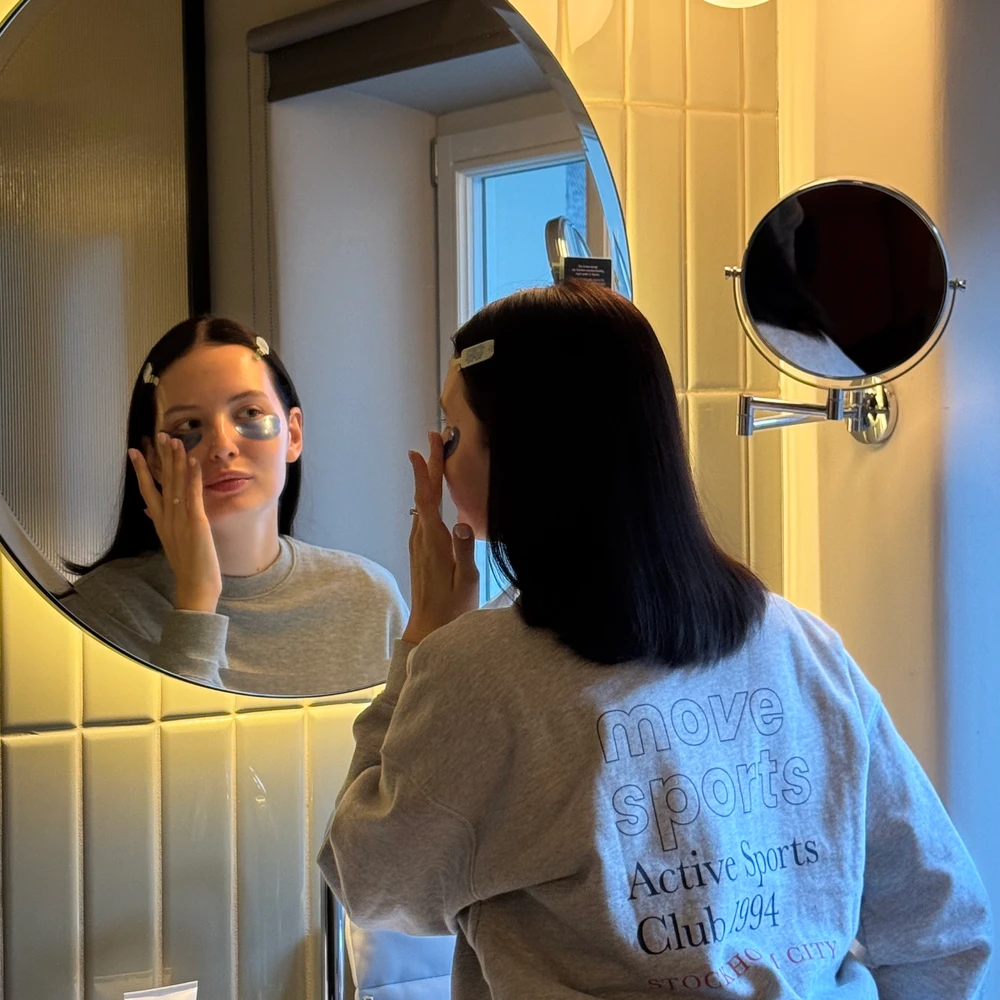
My morning routine for dry skin in winter
What I used at Badeschloss in Bad Gastein: face products, eye patches and SPF.
- Face products
- Eye patches
- SPF
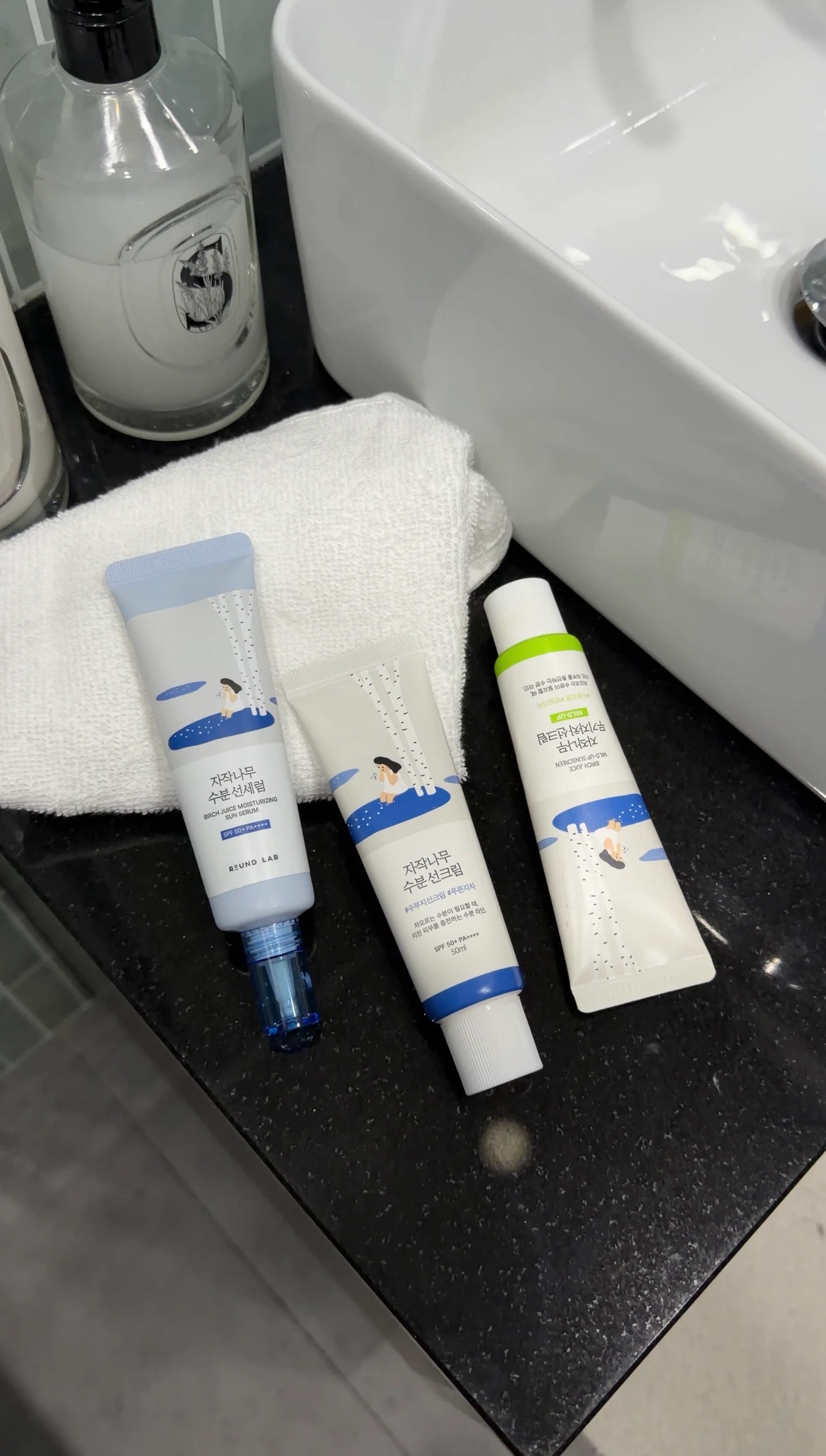
Round Lab Birch Juice sunscreen: all four versions compared
Sunscreen, sun serum, Mild-Up and the stick: texture, white cast, under makeup, and which one to buy.
- Product facts
- Ingredients
- Skin concerns
Tell me what your skin feels like, and I will show you what to look for and what to skip.
Open the skin guide