Foods for Glowing Skin: My Simple Food and Supplements Guide
If your skin feels reactive, dry, inflamed or just “off”, sometimes the most helpful thing is to simplify. This is part 2 of my skin barrier and gut health series: the daily food basics I come back to, the foods that feel extra supportive, how I think about supplements, and what I would be careful with.
In part 1 I explained the gut-skin axis. The obvious next question is: so what should I actually eat?
My answer is less dramatic than most “foods for glowing skin” lists. I do not believe in one superfood. I believe in a steady base of real food that gives your skin barrier and your gut lining the materials they are made of, and in being careful and boring with supplements. This is general information from my own reading and routine, not medical advice.
Key takeaways
- Your skin barrier is built from proteins and lipids, so protein and healthy fats matter as much as skincare.
- Fibre from real plants feeds the gut bacteria that help protect the gut lining.
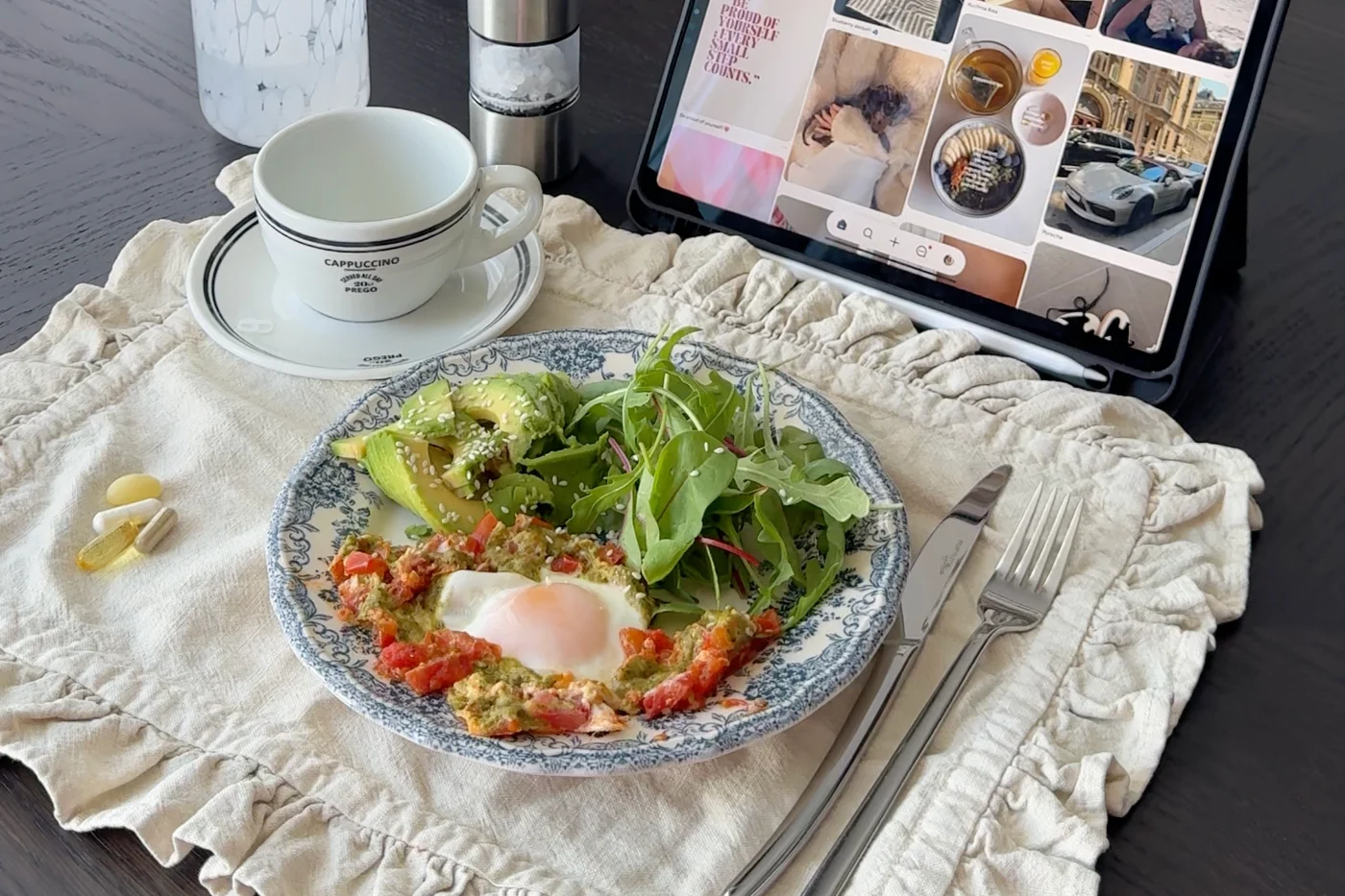
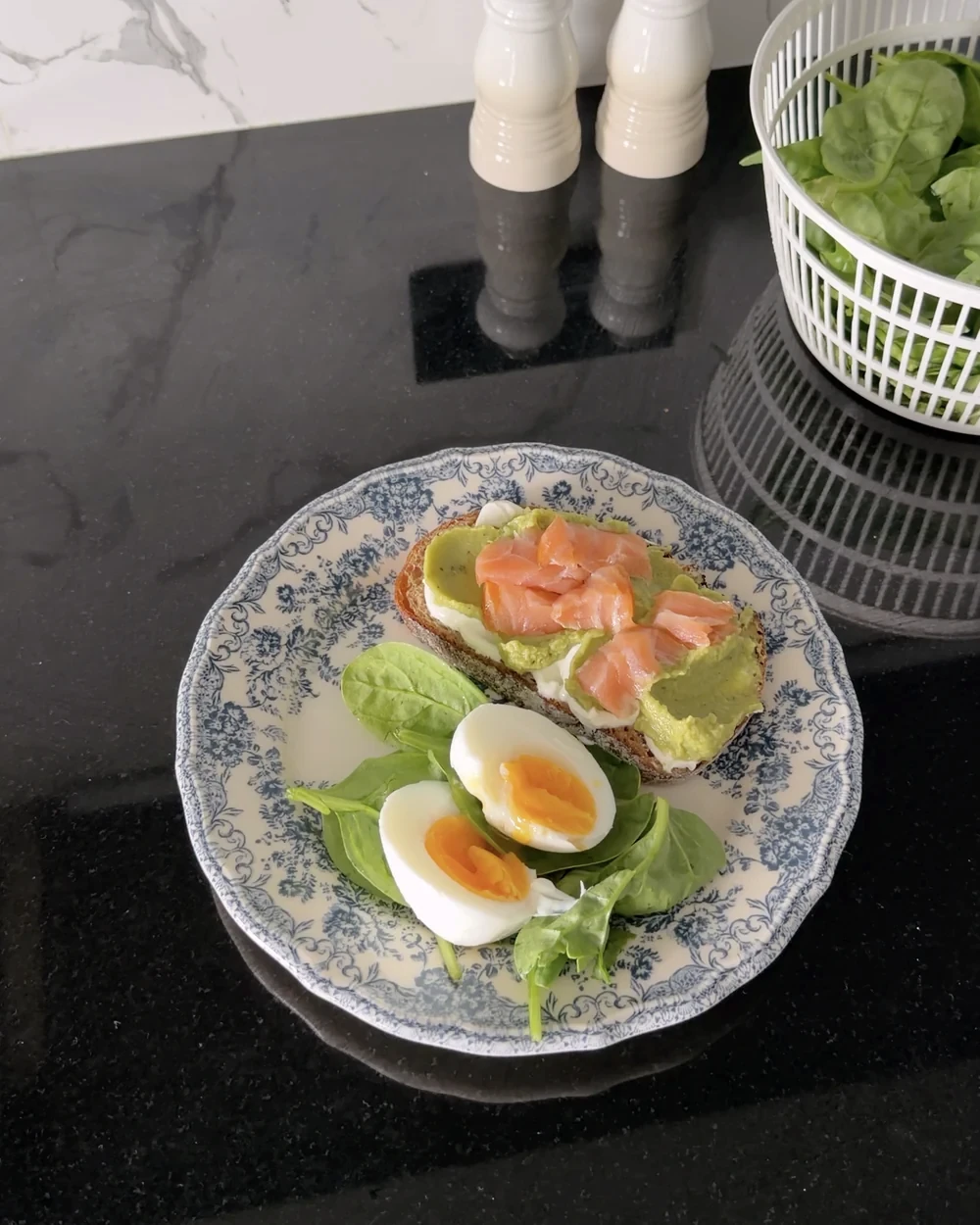
- Eggs, fatty fish, bone broth and small amounts of fermented foods feel extra supportive to me.
- Supplements can assist but do not replace food, and zinc and vitamin A have real upper limits.
- More is not better. Consistent is better.
The daily basics I start with
Before I think about any supplement, I look at the basics. Your barrier is built from nutrients, not just skincare.
- Protein at every meal. The skin barrier is made of proteins and lipids, and the gut lining renews itself every few days. Both need amino acids daily to repair.
- Healthy fats such as olive oil, avocado and eggs. They support cell membranes and help reduce water loss from the skin.
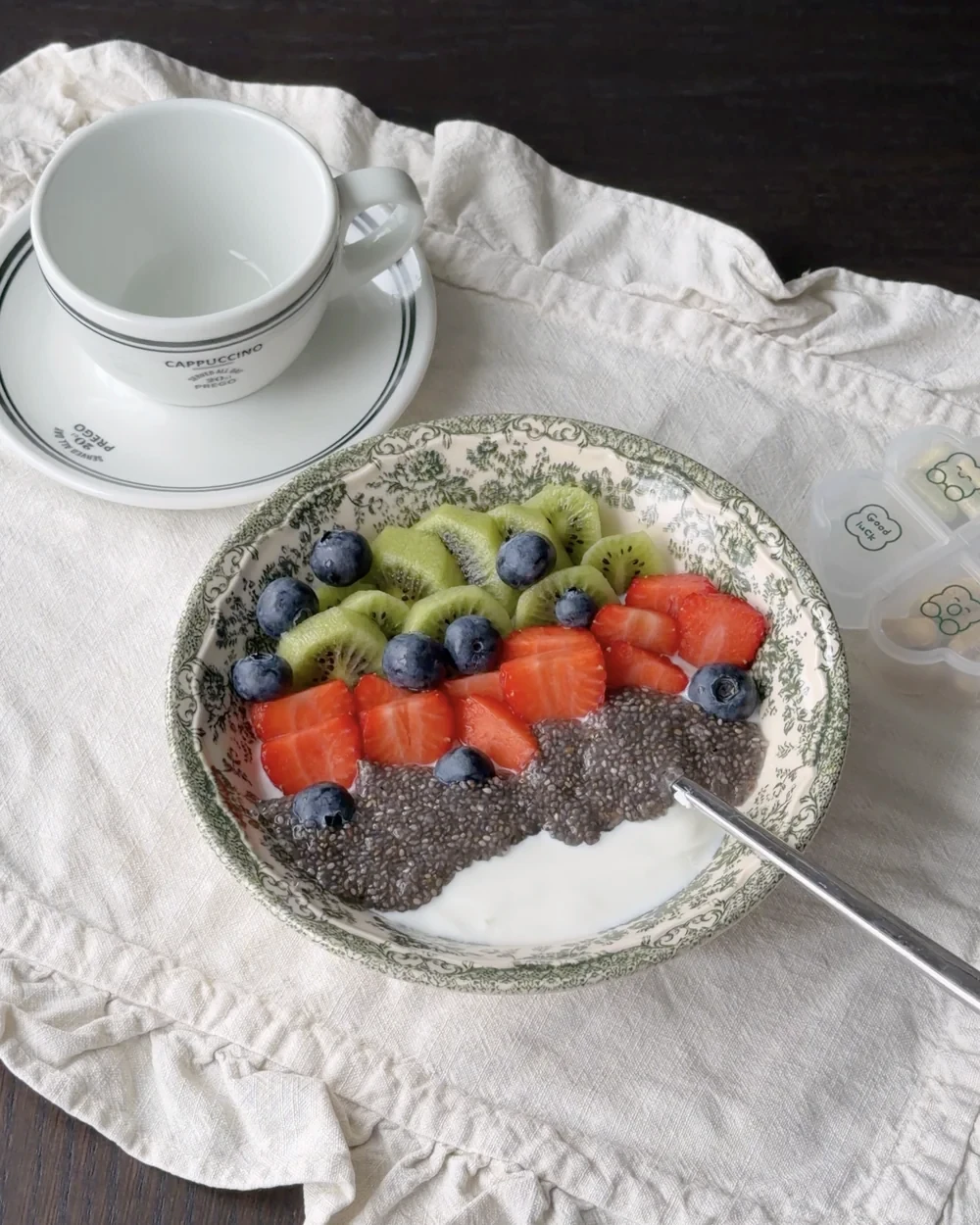
- Fibre from real plants: oats, berries, vegetables, legumes, chia. Fibre feeds good bacteria, which make compounds that help protect the gut lining.
- Warm, simple meals, especially when stressed. Easier digestion means less burden on the body.
Foods that feel extra supportive
These are the foods I reach for most when my skin feels reactive. The science is a mix of solid nutrition basics and early research, so I treat them as support, not treatment.
| Food | Why I like it |
|---|---|
| Eggs | They contain cholesterol, and yes, your skin barrier needs it: cholesterol is one of the three main lipids in the outer skin layer, along with ceramides and fatty acids. They are also a source of protein and fat-soluble vitamins. |
| Fatty fish | A source of omega-3s, which help regulate inflammatory pathways. Reviews of omega-3s in skin conditions are mixed, but they support the barrier and are good for overall health. |
| Bone broth | Provides protein and amino acids such as glycine and proline, building blocks for connective tissue. It is gentle on digestion, though proof that it repairs the gut is limited. |
| Fermented foods | Yogurt, kefir and sauerkraut in small amounts support microbiome diversity, if you tolerate them. |
More is not better, consistent is better.
An easy glow smoothie
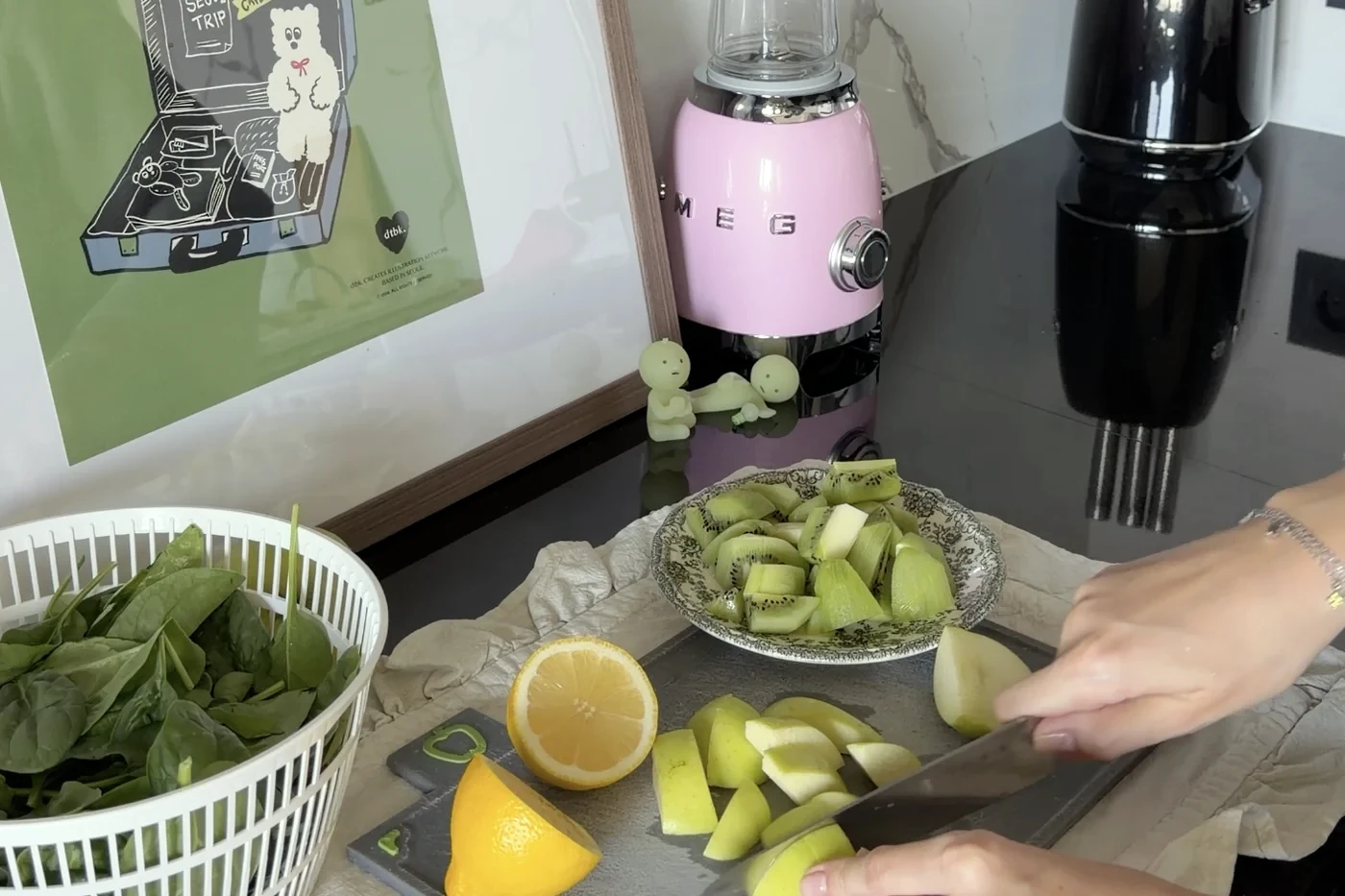
A simple way to eat more plants is a smoothie with spinach, kiwi and apple or pear, plus cucumber water with lemon during the day. Spinach brings fibre and folate, kiwi brings vitamin C, and nothing about it is magic. It is just an easy habit. My grocery list for glowing skin has more ideas.
Supplements: my careful approach
Get medical advice before adding any supplement. Supplements can interact with medication, and what looks harmless can cause problems at high doses. Here is how I think about the four I get asked about most, with the official numbers from the US National Institutes of Health:
| Supplement | How I think about it |
|---|---|
| Magnesium | I would take it in the evening if at all. It supports the nervous system, sleep and digestion, and stress directly affects the skin barrier. Adult women need about 310–320 mg a day from all sources, and the upper limit for supplements is 350 mg. Too much commonly causes diarrhoea and cramps. |
| Omega-3s | Help regulate inflammatory signalling and support barrier lipids. I prefer fish, walnuts, chia and flaxseed first. If you take blood thinners, ask your doctor before a fish oil supplement. |
| Zinc | Helpful for skin repair and immune balance, but short term only. The adult upper limit is 40 mg a day from food and supplements together. Too much can cause nausea and, over time, low copper. |
| Probiotics | Only if your body tolerates them: low dose, gentle strains, slow introduction. Trials in acne are small and show benefit only after about 12 weeks. |
Supplements assist. They do not replace real food. Please check with a doctor or pharmacist before starting any of these, especially if you are pregnant, breastfeeding, have a medical condition or take medication. Preformed vitamin A in particular should be avoided in high doses during pregnancy.
What to be careful with
Barrier damage is often caused by overcorrection. These are the things I would watch out for:
- high-dose supplements without testing
- constantly switching protocols
- extreme elimination diets
- over-exfoliating while “healing the gut”
- treating symptoms without regulating stress
The stress link is the part that surprised me most. A review of 21 studies describes how psychological stress activates stress hormones that can lower the skin’s barrier lipids and hydration and increase water loss. So I treat stress care as part of the plan, not an extra.
Your body heals in safety, not urgency.

Think about healing
The skin barrier and the gut are both sensitive to the nervous system. Here is what I keep in mind:
- Calm digestion means better nutrient absorption.
- Stable blood sugar supports stable hormones.
- Enough protein and fats support a stronger lipid barrier.
- Fewer actives mean less barrier disruption. My barrier repair playbook shows how I keep skincare gentle.
- Deep sleep is when cellular repair peaks.
Healing happens when the body feels supported.
If you have persistent eczema, severe or painful acne, ongoing digestive symptoms, or you are thinking about supplements or an elimination diet, please talk to a doctor, dermatologist or registered dietitian first. I am not a medical professional.
Foods for glowing skin: common questions
What are the best foods for glowing skin?
I focus on protein at every meal, healthy fats such as olive oil, avocado and eggs, fatty fish, and plenty of plants: berries, vegetables, oats, seeds and legumes. Consistency matters more than any single food.
Can food really change my skin?
Food gives your skin and gut the raw materials for repair, and what you eat can influence inflammation. It will not replace sunscreen, gentle skincare or medical treatment, and results vary a lot from person to person.
Which supplements are good for skin?
Magnesium, omega-3s, zinc and probiotics are the ones people ask about most. They can assist, but evidence is mixed, doses matter, and I would ask a doctor or pharmacist first and keep real food as the base.
How much zinc is too much?
The US National Institutes of Health sets the adult upper limit at 40 mg of zinc per day from all sources. Too much can cause nausea and, over time, low copper and lower HDL cholesterol, so zinc is a short-term, doctor-guided supplement for me, never a mega-dose.
Are probiotics good for skin?
Research is early but interesting. A review of nine randomized trials in acne found lesions fell after 12 weeks, not at 4 weeks, with no major side effects reported, but the trials were small. I would choose a low dose of gentle strains, introduce them slowly and only if my body tolerates them.
Is bone broth good for my gut and skin?
Bone broth provides protein and amino acids such as glycine and proline, and many people find it soothing and easy to digest. Direct proof that it heals the gut or improves skin is limited, so I treat it as a nourishing food, not a treatment.
How long does it take to see a difference?
Skin renews over weeks, not days. I would give any change in food a few weeks, and change one thing at a time, before judging it.
Continue the series
Part 1: the gut-skin axis, part 3: hidden skin triggers, part 4: my daily gut health checklist and part 5: my grocery list for glowing skin.

Hi, I’m Anna. I share honest skincare reviews, simple routines and gut-friendly habits from my own life, on Instagram, on YouTube and here. I am not a doctor or a dietitian: I read the research and official sources, link them at the end of each note, and keep my claims careful. More about me and how I write these notes.
Want more notes like this?
One honest recommendation in your inbox every Sunday: skin tips, simple food ideas and the picks I actually use.
No spam, unsubscribe any time.Sources
- Zinc fact sheet for consumers, NIH Office of Dietary Supplements (upper limit 40 mg per day for adults, side effects).
- Magnesium fact sheet for consumers, NIH Office of Dietary Supplements (recommended intake, 350 mg supplement upper limit).
- Vitamin A fact sheet for consumers, NIH Office of Dietary Supplements (upper limit and pregnancy warning).
- New review finds oral probiotics improve acne outcomes, EMJ summary of a systematic review of nine randomized trials (623 patients).
- Omega 3 fatty acid and skin diseases, review, Frontiers in Immunology.
- The impact of stress on epidermal barrier function: an evidence-based review, PubMed.
- The gut-skin axis: emerging insights in understanding and treating skin diseases through gut microbiome modulation, review, PMC.
Keep reading

Gut health and skin, part 1
How gut health can show up on your skin, what the research really says and what I would do first.
- Research
- Sources
Best foods for skin, part 5
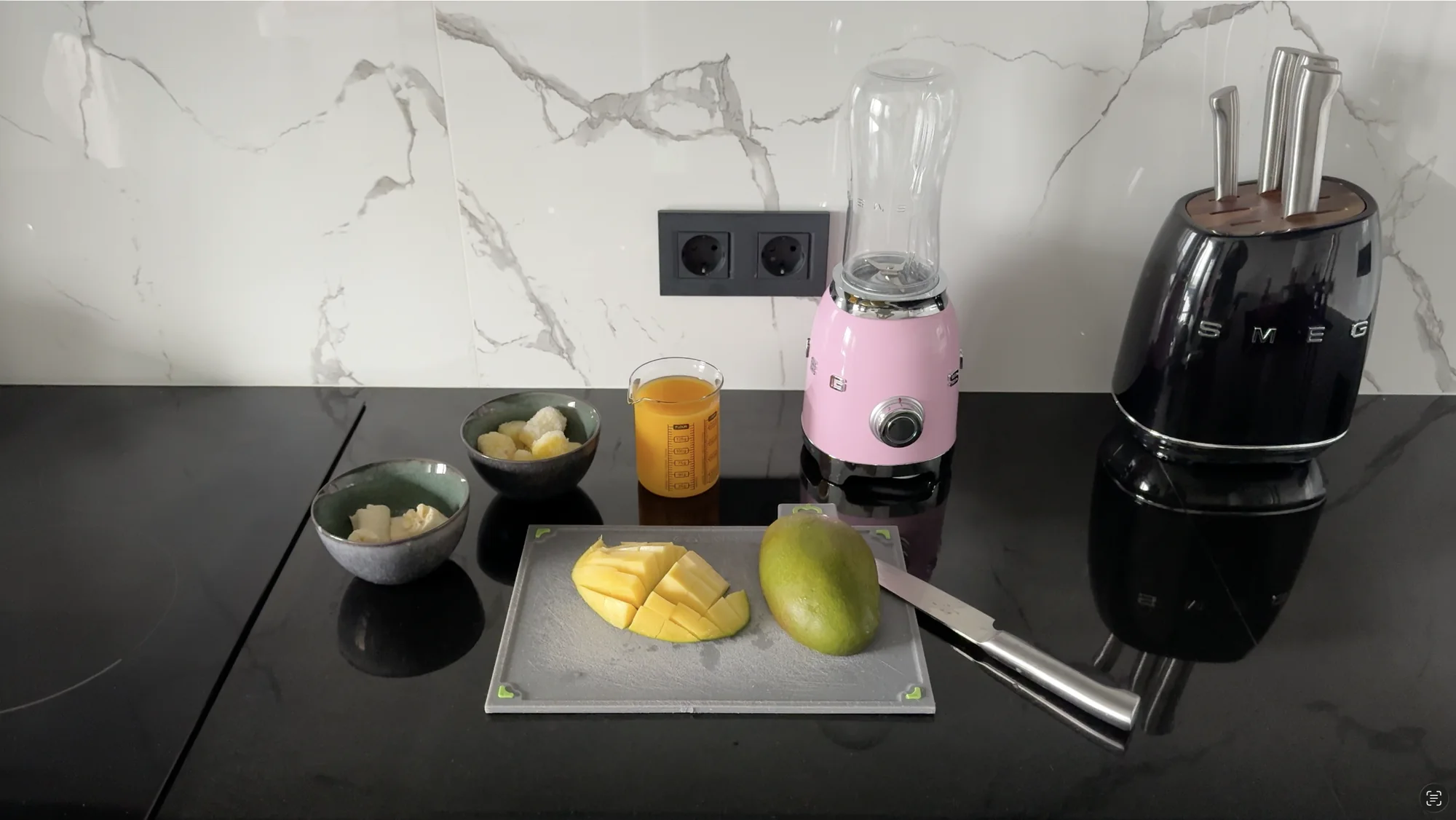
My grocery list for glowing skin and a healthy gut, with real numbers and honest limits.
- Research
- Sources

Gut health checklist, part 4
Small daily habits for better digestion and glowing skin: protein, plants, a walk after meals, sleep and calm.
- Research
- Sources
Tell me what your skin feels like, and I will show you what to look for and what to skip.
Open the skin guide