Gut Health Checklist: My Daily Habits for Glowing Skin
Glowing skin and better digestion are often less about adding more, and more about the tiny daily habits you repeat consistently. This is part 4 of my skin barrier and gut health series: how I eat, drink, move and rest, the evidence behind each habit, and the checklist I come back to.

After the first three parts of this series, the natural question is: what does a normal day look like? My answer is simple. Healthy skin and digestion are usually built from boring little habits repeated for months, not from a perfect protocol.
This note is my practical gut health checklist, with what research says about each habit and where the evidence is thin. It is general information from my own reading and routine, not medical advice, and everyone’s body is different.
Key takeaways
- Digestion starts before food reaches your stomach, so slow down a little.
- Regular meals, enough calories, enough protein and healthy fats give your skin what it needs for repair.
- Hydration is more than drinking a lot of water, and extra water helps most when you were drinking too little.
- A gentle 10 to 15 minute walk after meals is one of the easiest habits, with good evidence for blood sugar.
- Sleep and stress affect both your gut and your skin.
- A gut-friendly diet means variety, not “cleaner and cleaner”.
Your digestion starts before food reaches your stomach
Digestion begins in your head and mouth, and your nervous system is part of it. A few small things help me:
- Eat a little slower. Chewing is the first step of digestion and mechanically breaks food down before it reaches your stomach.
- Sit down when you can. Eating while rushing or multitasking can make it harder to notice fullness and digestion cues.
- Take a few calm breaths before meals. Your digestive system works best when your body is not constantly in “go go go” mode.
- Give your body time. You do not need to eat perfectly, you need to eat consistently.
Your nervous system is part of your digestion too.
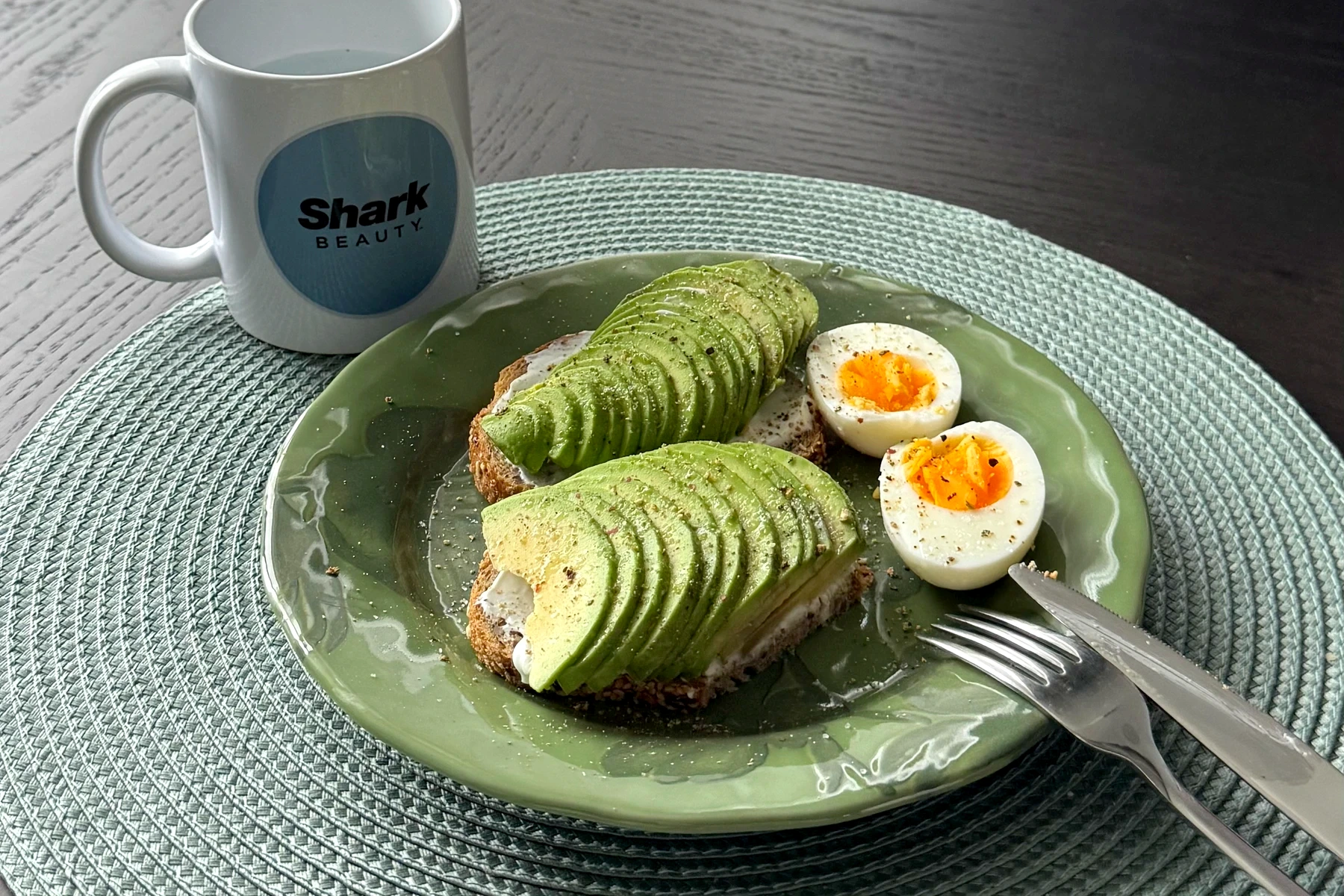
Your skin loves boring consistency
The skin uses nutrients for repair all the time, so a steady supply matters more than a perfect day:
| Habit | Why it matters for skin |
|---|---|
| Regular meals | Help provide a steady supply of protein, fats, vitamins and minerals your skin uses for repair. |
| Enough calories | Chronically under-eating can mean fewer resources for hair, skin, hormones and recovery. |
| Enough protein | Your body needs amino acids to make structural proteins and support tissue renewal. |
| Dietary fats | Important for cell membranes, hormones and the lipid-rich outer skin barrier. |
You cannot “glow” your way out of under-fueling.
If you are restricting a lot or feel anxious about food, please talk to a doctor or registered dietitian. Skin is not worth a restrictive diet. I go deeper on what to eat in my food and supplements guide.
Hydration is more than drinking a lot of water
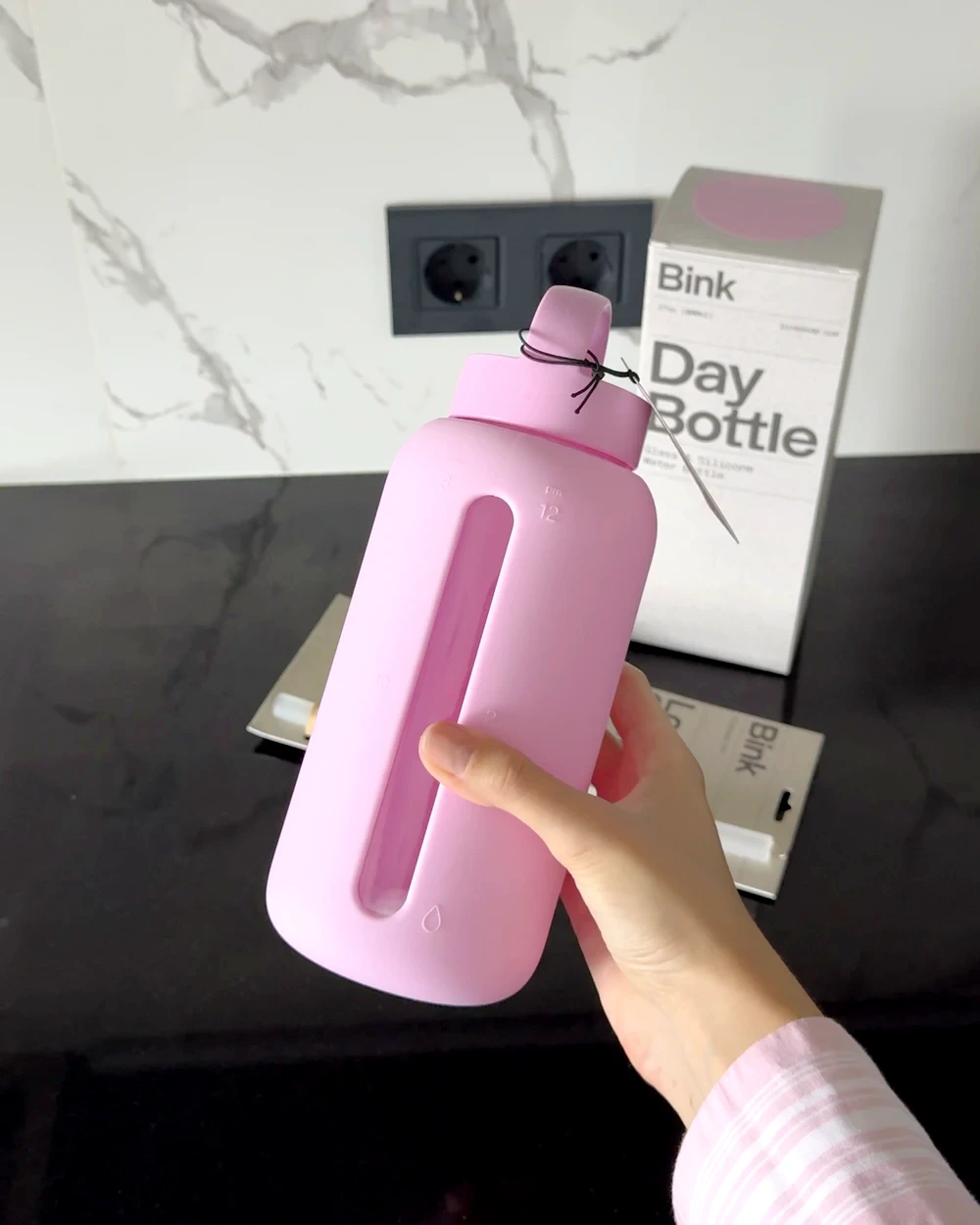
- Water matters, but so do electrolytes like sodium and potassium.
- Fruits and vegetables help. They provide water alongside minerals, fibre and antioxidants.
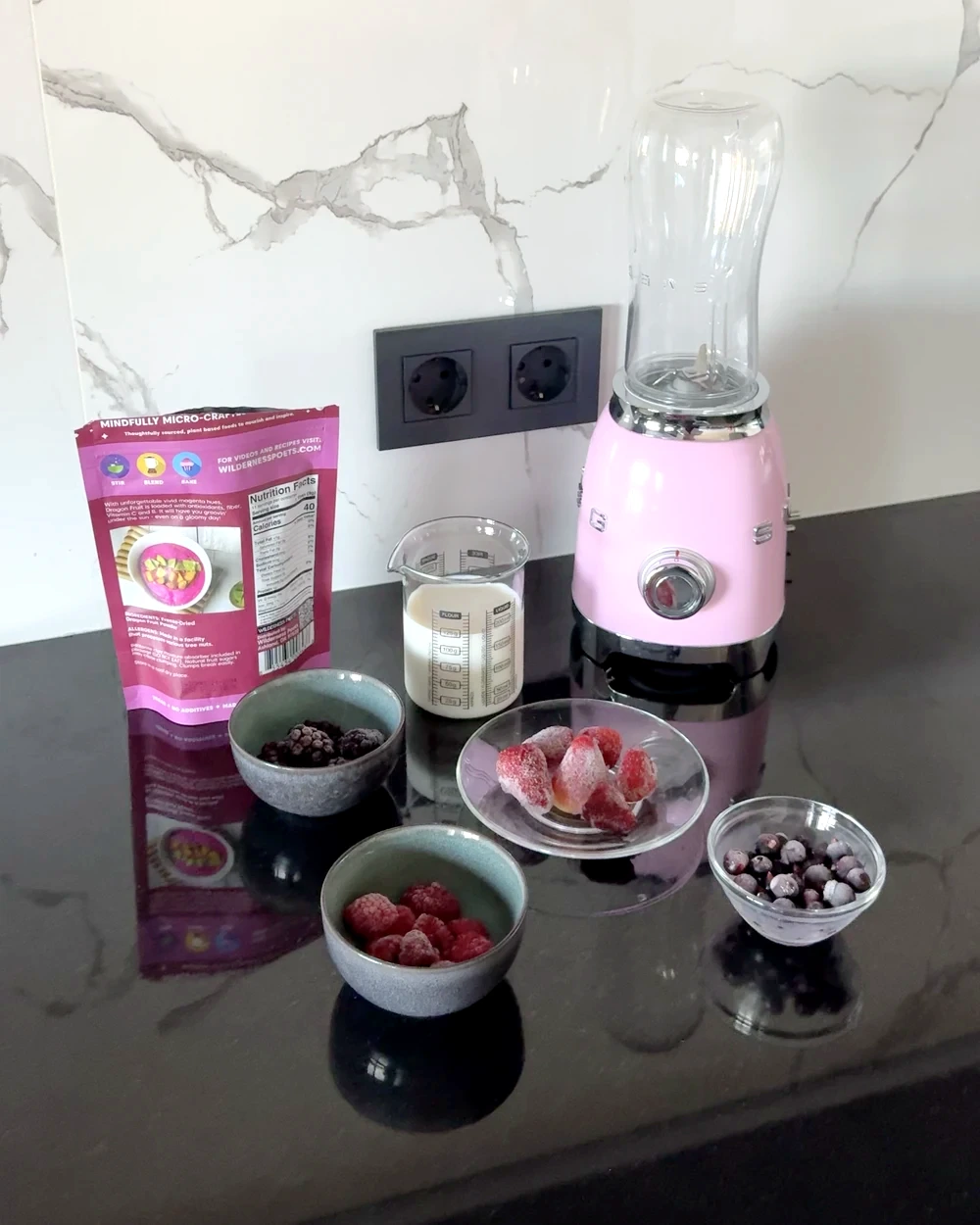
- Soups, yogurt, smoothies and cooked foods count toward hydration too.
- Do not force huge amounts of water. Your needs change with heat, activity, caffeine and your diet.
What does the research say? A systematic review of six studies in healthy adults found that drinking more water was linked with a small increase in skin hydration, mostly in people who had been drinking little water before. The authors described the evidence as weak in quantity and quality. So hydration supports normal skin function, but more water does not automatically mean more glow. For dry skin, a good moisturiser does a lot of the work from the outside.
A little movement after meals is underrated
You do not need an intense workout. A gentle 10 to 15 minute walk after a meal may help in a few ways:
- it can support post-meal blood sugar regulation
- movement helps normal gut motility
- it can reduce that heavy “I need to lie down after eating” feeling for some people
The blood sugar part is the best studied. A meta-analysis found that light walking breaks lowered glucose and insulin after eating more than standing did, and trials in people with type 2 diabetes or at risk have found that about 10 to 15 minutes after each meal can improve glucose control as much as, or more than, one longer walk. Those studies are in specific groups, so how much it matters for you is less clear, but it is a free, low-risk habit.
Your body loves gentle movement more than punishment.
Consistency matters more than intensity here.
Sleep is secretly a beauty treatment
- Your skin does a lot of repair work while you sleep.
- Poor sleep can increase inflammatory signalling and make skin feel more reactive.
- Sleep also influences appetite, blood sugar regulation and the gut microbiome.
- Even skincare performs better when the basics are there: food, sleep and recovery.
Your 10-step routine cannot replace 5 missing hours of sleep.
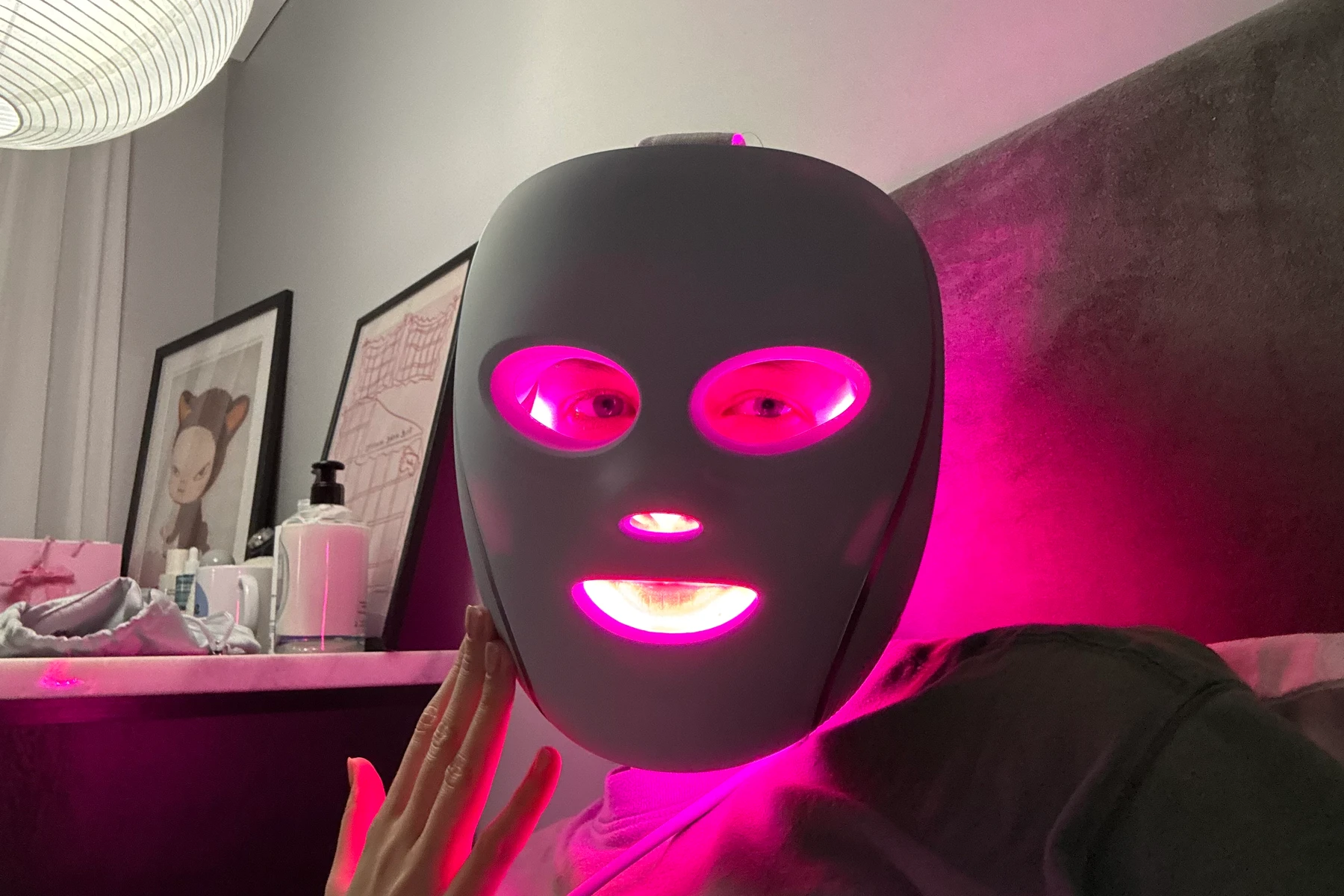
Stress: the trigger nobody puts in a supplement bottle
Stress is one of the biggest skin triggers, and no supplement fixes it. As I understand it, stress can:
- change gut motility and digestion
- influence inflammatory pathways
- make acne, redness, itching or sensitivity feel worse in some people
A review of 21 studies describes how psychological stress activates stress hormones that reduce the skin’s barrier lipids and hydration and increase water loss. Rest, boundaries, sleep and slower routines are part of wellness too. Sometimes the most supportive thing you can do for your skin is make your life feel a little less overwhelming. I cover the cortisol link in my note on hidden skin triggers.
Gut-friendly does not mean eating “cleaner and cleaner”
- More restriction is not always better.
- Your microbiome generally benefits from variety, not perfection.
- Different plant foods provide different fibres and polyphenols.
- You can still eat bread, dessert, pasta and restaurant food and have a nourishing diet.
Try adding before subtracting: berries, oats, seeds, herbs, vegetables, legumes and fermented foods, whatever your body tolerates. Data from the American Gut Project, a large citizen-science study, found that people who ate around 30 different plant foods a week had more diverse gut microbes than people who ate 10 or fewer. Herbs, spices, nuts and seeds count, so it is more achievable than it sounds.
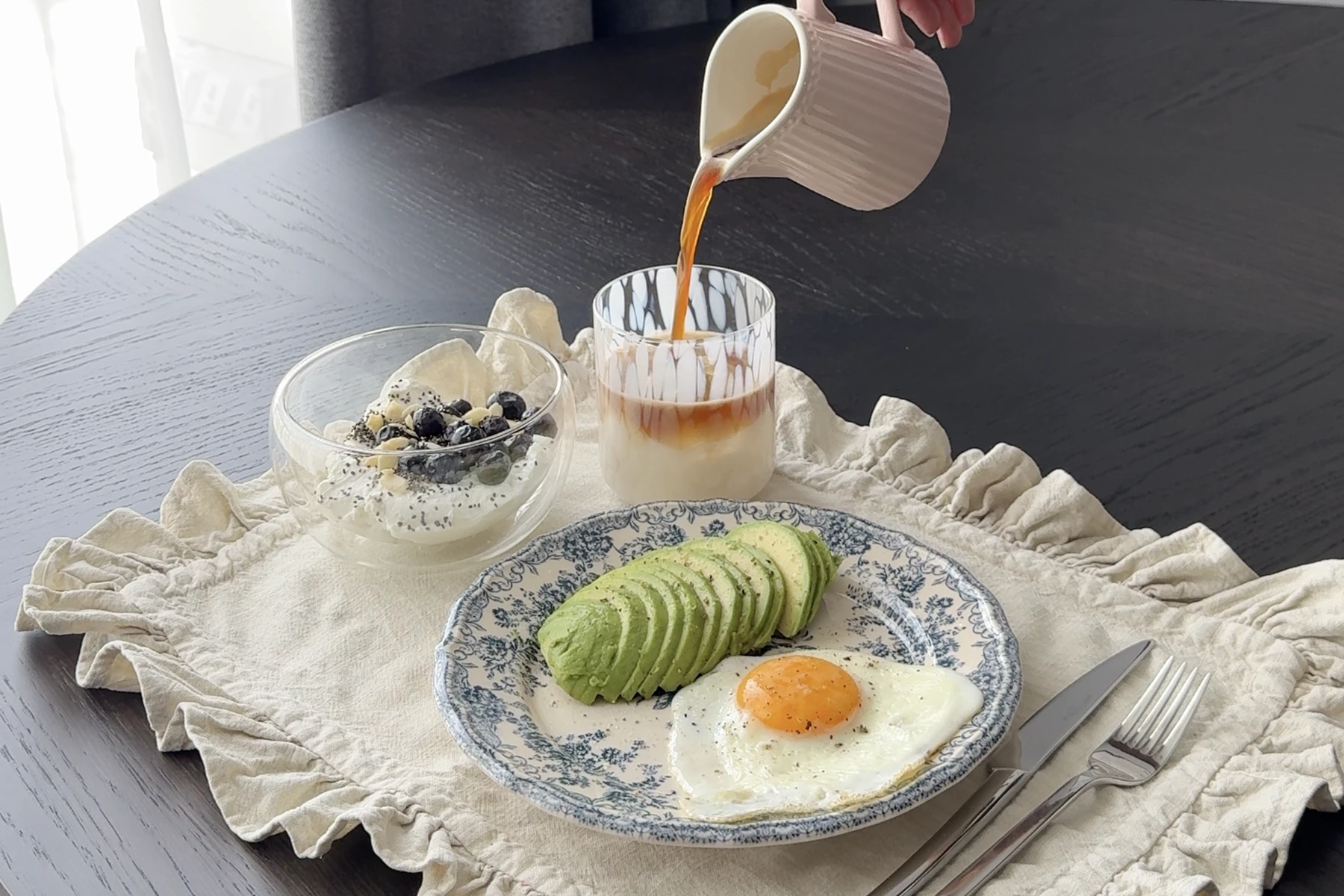
My healthy gut and glowing skin checklist
- Eat enough
- Get protein daily
- Eat plants in different colours
- Include healthy fats
- Drink according to thirst and activity
- Walk and move regularly
- Sleep properly
- Stop changing your entire routine every 3 days
Healthy skin and digestion are usually built from boring little habits repeated for months.
How I would start: one habit a week
Doing all eight at once is how habits fall apart. I would add one at a time:
- Week 1: regular meals with protein.
- Week 2: a gentle 10 minute walk after your biggest meal.
- Week 3: add one new plant food or colour a day.
- Week 4: protect your sleep window and a calm few minutes before bed.
Then keep what feels easy and give it a few months before you judge the result.
If you have ongoing digestive symptoms such as pain, bloating, blood in the stool or unexplained weight loss, or persistent skin problems, please see a doctor or dermatologist. I am not a medical professional, and this note is not a substitute for one.
Gut health checklist: common questions
How can I improve my gut health?
I focus on the basics: regular meals, enough protein, a variety of plants and fibre, healthy fats, gentle movement, sleep and stress care. Small habits repeated for months work better than a strict protocol, and persistent digestive symptoms deserve a doctor’s opinion.
Does walking after meals help digestion?
A gentle walk after eating may support normal gut motility and post-meal blood sugar, and some people feel less heavy afterwards. Trials show that even 10 to 15 minutes after meals can help blood sugar, mostly in people with or at risk of impaired glucose tolerance, and it does not need to be intense.
Does drinking more water make skin glow?
A systematic review of six studies found that extra water was linked with a slight rise in skin hydration, mainly in people who drank little to begin with, and the authors called the evidence weak. So I drink to thirst and activity, eat water-rich foods and use a good moisturiser.
Does stress affect gut health and skin?
It can. Stress may change gut motility and digestion, and stress hormones can impair the skin barrier, which may make acne, redness or sensitivity feel worse for some people.
Do I need to eat “clean” for a healthy gut?
No. Your microbiome generally benefits from variety, not perfection. Adding plants, fibre and fermented foods usually helps more than cutting everything out, and bread, pasta and dessert can still fit a nourishing diet.
How many plants should I eat a week?
There is no magic number, but data from a large citizen-science microbiome project found that people who ate around 30 different plant foods a week had more diverse gut microbes than those who ate 10 or fewer. I use it as a fun goal: herbs, seeds, nuts, legumes and spices all count.
Continue the series
Part 1: the gut-skin axis, part 2: food and supplements, part 3: hidden skin triggers and part 5: my grocery list for glowing skin.

Hi, I’m Anna. I share honest skincare reviews, simple routines and gut-friendly habits from my own life, on Instagram, on YouTube and here. I am not a doctor or a dietitian: I read the research and official sources, link them at the end of each note, and keep my claims careful. More about me and how I write these notes.
Want more notes like this?
One honest recommendation in your inbox every Sunday: skin tips, simple food ideas and the picks I actually use.
No spam, unsubscribe any time.Sources
- After dinner rest a while, after supper walk a mile? A systematic review with meta-analysis on the acute postprandial glycemic response to exercise before and after meal ingestion, Sports Medicine.
- Walking after meals: small habit, big metabolic gains, News-Medical summary of trials by Reynolds (2016), DiPietro (2013) and Bellini (2022).
- Does dietary fluid intake affect skin hydration in healthy humans? A systematic literature review, PubMed.
- The impact of stress on epidermal barrier function: an evidence-based review, PubMed.
- American Gut: an open platform for citizen science microbiome research, mSystems (2018).
- The gut-skin axis: emerging insights in understanding and treating skin diseases through gut microbiome modulation, review, PMC.
Keep reading
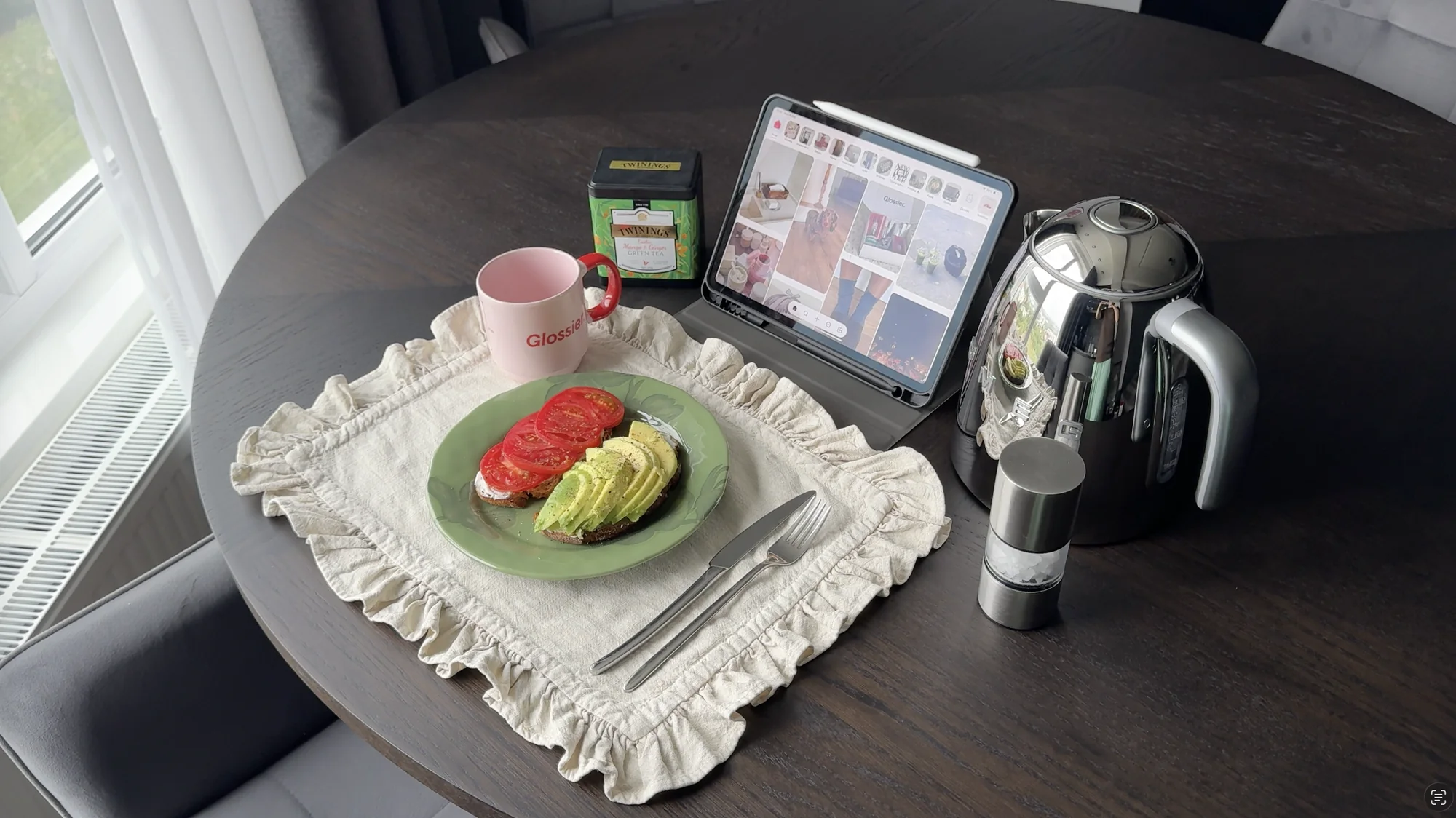
Gut health and skin, part 1
How gut health can show up on your skin, what the research really says and what I would do first.
- Research
- Sources

Hidden skin triggers, part 3
What the research shows about sugar, dairy, alcohol, stress and sleep, and how I find my own triggers.
- Research
- Sources
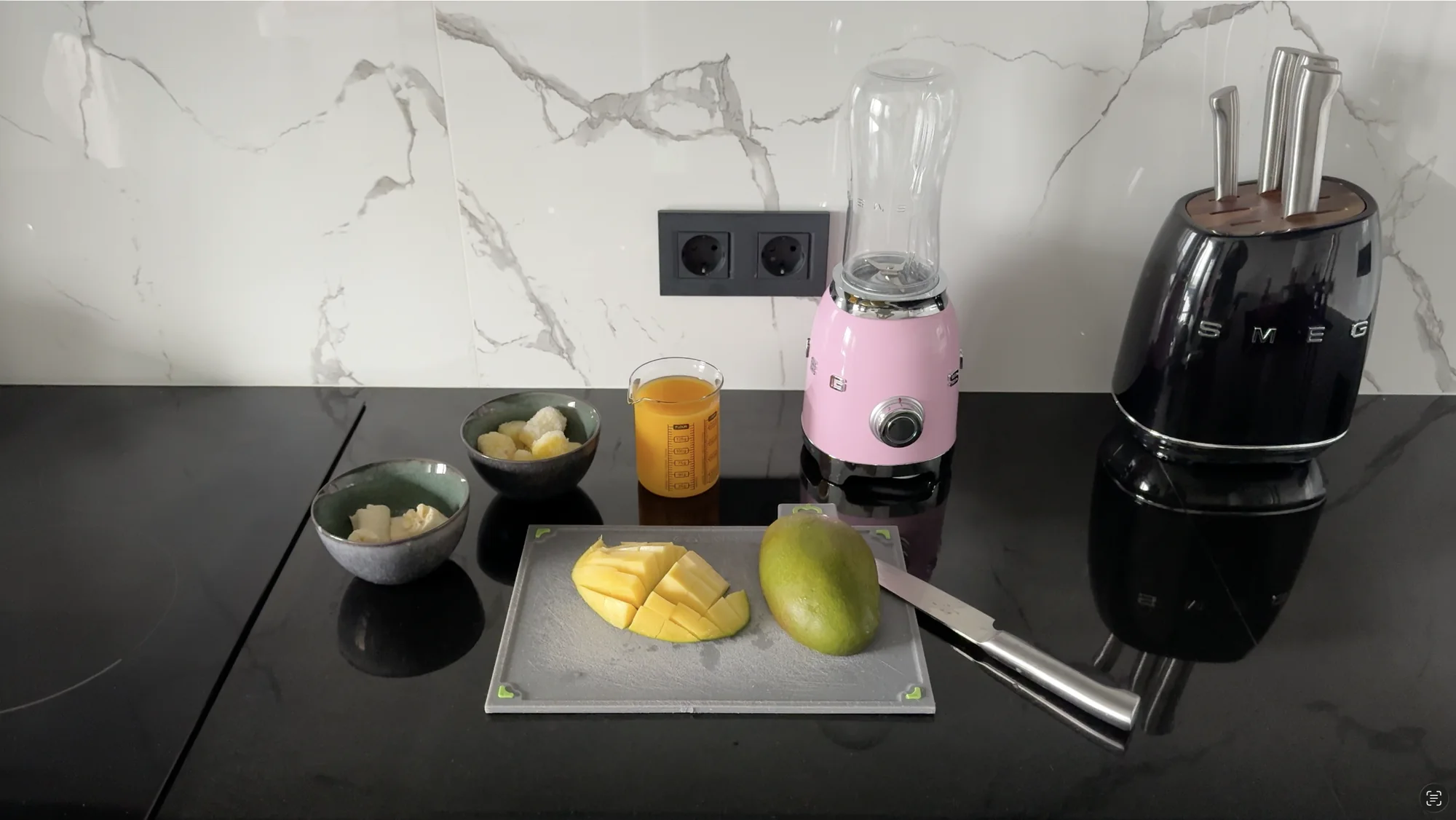
Best foods for skin, part 5
My grocery list for glowing skin and a healthy gut, with real numbers and honest limits.
- Research
- Sources
Tell me what your skin feels like, and I will show you what to look for and what to skip.
Open the skin guide