Foods That Cause Breakouts: My Hidden Skin Triggers
Sometimes skin inflammation is not about skincare at all. Food, stress, sleep, alcohol and hormones can all influence how your skin behaves. This is part 3 of my skin barrier and gut health series: the hidden triggers I look at when my skin is acting up, and how strong the evidence really is for each.

When my skin gets reactive, the first thought is usually “which product did I use?”. A better question is also what else is going on in my body? Food, stress, sleep and hormones can all change how skin behaves, and skincare cannot fully make up for them.
This note covers the triggers mentioned most often: high glycemic foods, highly processed foods, chronic stress and skipped meals, alcohol, dairy and poor sleep. For each one I explain what may happen in the body, what it can do to the skin, and what the research can and cannot say. Skin responses are very individual. This is general information from my own reading, not medical advice.
Key takeaways
- The evidence is strongest for high glycemic foods and acne, and weaker, but real, for dairy.
- Frequent blood sugar spikes matter more than an occasional treat.
- Stress, skipped meals and too little sleep raise stress hormones and slow barrier repair.
- Alcohol is a common rosacea trigger, and the type of drink seems to matter.
- Look for patterns in your own skin and change one thing at a time.
How strong is the evidence for each trigger?
Here is how I sort what I read. “Stronger” still does not mean certain.
| Trigger | What the research suggests | My takeaway |
|---|---|---|
| High glycemic foods | Randomized trials suggest lower glycemic load diets reduce acne severity | Limit frequent spikes |
| Dairy | Observational studies link it with more acne, with caveats | Test it, do not assume |
| Alcohol | Linked with rosacea risk, especially white wine and liquor | Notice your own flushing |
| Stress and sleep | Stress hormones impair the skin barrier | Treat as part of skincare |
| Processed foods | Often suspected, evidence is less direct | Keep occasional |
High glycemic foods
This group includes white sugar, candy, sweet drinks and refined pastries. As I understand it, this is what may happen:
- blood sugar rises quickly, followed by an insulin spike
- insulin can increase androgen hormones
- androgens stimulate the sebaceous glands
- more oil plus inflammation raises the risk of acne
A systematic review and meta-analysis pooled three randomized trials and found that lower glycemic load diets reduced acne severity compared with control diets, and observational studies linked higher glycemic load with more severe acne. The authors also stress that the number of trials is small and better ones are needed.
The issue is frequent spikes, not occasional treats.

Highly processed foods
Think fast food, ultra-processed snacks and processed meats. They tend to be high in omega-6 fats, refined starch and salt and low in fibre and antioxidants. That may:
- promote pro-inflammatory pathways
- increase oxidative stress, which can damage skin cells
- speed up collagen breakdown
The link from these foods to specific skin outcomes is less direct than for glycemic load, so I treat this one as a general “do not make it the base” rule. Dull skin, congestion and slower healing are what I would watch for. I explain what I eat instead in my food and supplements guide.
Chronic stress and skipping meals
Irregular eating and constant stress put the body under pressure. The chain I keep in mind is:
- irregular eating and stress can raise cortisol
- cortisol increases inflammation
- unstable blood sugar stresses the body
- skin barrier repair slows down
A review of 21 studies on stress and the epidermal barrier describes how psychological stress activates the body’s stress-hormone system and impairs barrier function: fewer barrier lipids and proteins, lower hydration and more water loss through the skin. On skin, that can mean breakouts, sensitivity and slower wound healing. Regular, warm meals are one of the simplest ways I support my skin when life is busy.
Alcohol
Alcohol is often a hidden trigger, especially for sensitive or redness-prone skin. It may:
- dehydrate the skin and tissues
- dilate blood vessels, which shows up as redness
- reduce sleep quality
- interfere with nutrients your skin uses for repair, such as zinc and vitamin A, especially with heavy drinking
The best data I know comes from the Nurses’ Health Study II, which followed 82,737 US women. White wine was linked with a 14% higher rosacea risk at 1 to 3 glasses a month and up to 49% higher at five or more glasses a week, liquor with an 8 to 28% higher risk depending on the amount, while beer and red wine were not significantly linked. It is an association, not proof of cause, and the researchers say more work is needed.
On skin I would watch for dullness, puffiness, flushing and rosacea flare-ups. If you have rosacea, a dermatologist can help you work out your own triggers.
Dairy, for some people
Research suggests dairy may affect hormonal signalling in some individuals. The idea is that dairy may increase IGF-1 signalling, IGF-1 can stimulate oil production, and extra sebum plus inflammation can lead to acne.
In a meta-analysis of 14 observational studies covering 78,529 children, teenagers and young adults, any dairy was linked with higher odds of acne (about 25% higher), with milk, yogurt and cheese all showing a link. The authors cautioned that the results are affected by differences between studies and publication bias, and the adjusted results were weaker than the unadjusted ones.
Many people tolerate dairy perfectly, and dairy is also a useful source of protein, calcium and iodine. Skin response is very individual, so I would not cut dairy out “just in case”. If you want to test it, change one thing at a time and give it several weeks.
Sleep deprivation
Your skin repairs itself mostly while you sleep. Too little sleep may lead to:
- reduced collagen production
- increased cortisol
- slower cell turnover
- more inflammation
In a small study of women, poor sleepers showed more signs of skin ageing and slower recovery of the skin barrier after stress to the skin than good sleepers. On skin I would watch for a dull complexion, dark circles and slower healing. This is why I treat sleep as part of my skincare.
How I would find my own triggers
- Look for patterns, not villains. Notice when your skin flares: after poor sleep, a stressful week, a lot of sugar or alcohol.
- Change one thing at a time. Give it several weeks before you judge.
- Eat regularly. Protein, healthy fats and fibre keep blood sugar steadier.
- Protect sleep. It is the cheapest repair tool I know.
- Do not over-restrict. Cutting many foods at once makes it impossible to learn anything and can leave you under-fuelled.
- Keep skincare gentle. My barrier repair playbook shows how.
If you have persistent or painful acne, rosacea, eczema, or sudden skin changes, please see a dermatologist. I am not a medical professional, and this note is not a substitute for one.
Foods that cause breakouts: common questions
What foods cause breakouts?
The foods most often linked with acne are high glycemic foods such as sugary drinks, sweets and refined pastries, and for some people dairy. Highly processed foods are also commonly suspected. The evidence is strongest for glycemic load, weaker for dairy, and triggers differ a lot from person to person.
Does sugar cause acne?
Not on its own, but frequent blood sugar spikes may raise insulin and androgen activity, which can increase oil production and inflammation. A systematic review of randomized trials found that lower glycemic load diets reduced acne severity, though the number of trials was small. An occasional treat is unlikely to be the problem.
Does dairy cause acne?
A meta-analysis of 14 observational studies (78,529 people aged 7 to 30) found higher odds of acne with any dairy, with milk, yogurt and cheese all linked, but the authors urged caution because of bias and differences between studies. Many people tolerate dairy fine, so I would test one change at a time.
Does alcohol affect skin?
It can dehydrate the skin, widen blood vessels and disturb sleep, which may show up as dullness, puffiness and redness. In a large study of US women, white wine and liquor were linked with a higher risk of rosacea, while beer and red wine were not significantly linked.
Can lack of sleep cause breakouts?
Poor sleep can raise stress hormones and inflammation and slow skin repair, which may make breakouts and dullness more likely. Sleep is not the only factor, but I treat it as part of skincare.
How do I find my own food triggers?
I would look for patterns rather than villains: note when skin flares, change one thing at a time for several weeks, and keep eating enough. If you are thinking about cutting a whole food group, a dermatologist or registered dietitian can help you do it safely.
Continue the series
Part 1: the gut-skin axis, part 2: food and supplements, part 4: my daily gut health checklist and part 5: my grocery list for glowing skin.

Hi, I’m Anna. I share honest skincare reviews, simple routines and gut-friendly habits from my own life, on Instagram, on YouTube and here. I am not a doctor or a dietitian: I read the research and official sources, link them at the end of each note, and keep my claims careful. More about me and how I write these notes.
Want more notes like this?
One honest recommendation in your inbox every Sunday: skin tips, simple food ideas and the picks I actually use.
No spam, unsubscribe any time.Sources
- Low glycemic load or index diet in association with acne vulgaris: a systematic review and meta-analysis, systematic review of three randomized trials and six observational studies.
- Dairy intake and acne vulgaris: a systematic review and meta-analysis of 78,529 children, adolescents, and young adults, Nutrients (2018).
- Alcohol intake and risk of rosacea in US women, Journal of the American Academy of Dermatology (2017).
- New study finds alcohol raises risk of rosacea in women, National Rosacea Society summary.
- The impact of stress on epidermal barrier function: an evidence-based review, PubMed.
- Does poor sleep quality affect skin ageing?, Clinical and Experimental Dermatology (2015).
- Sleep disturbances and acne: a comprehensive review, Dermatology Practical & Conceptual.
Keep reading
Gut health and skin, part 1
How gut health can show up on your skin, what the research really says and what I would do first.
- Research
- Sources
Foods for glowing skin, part 2
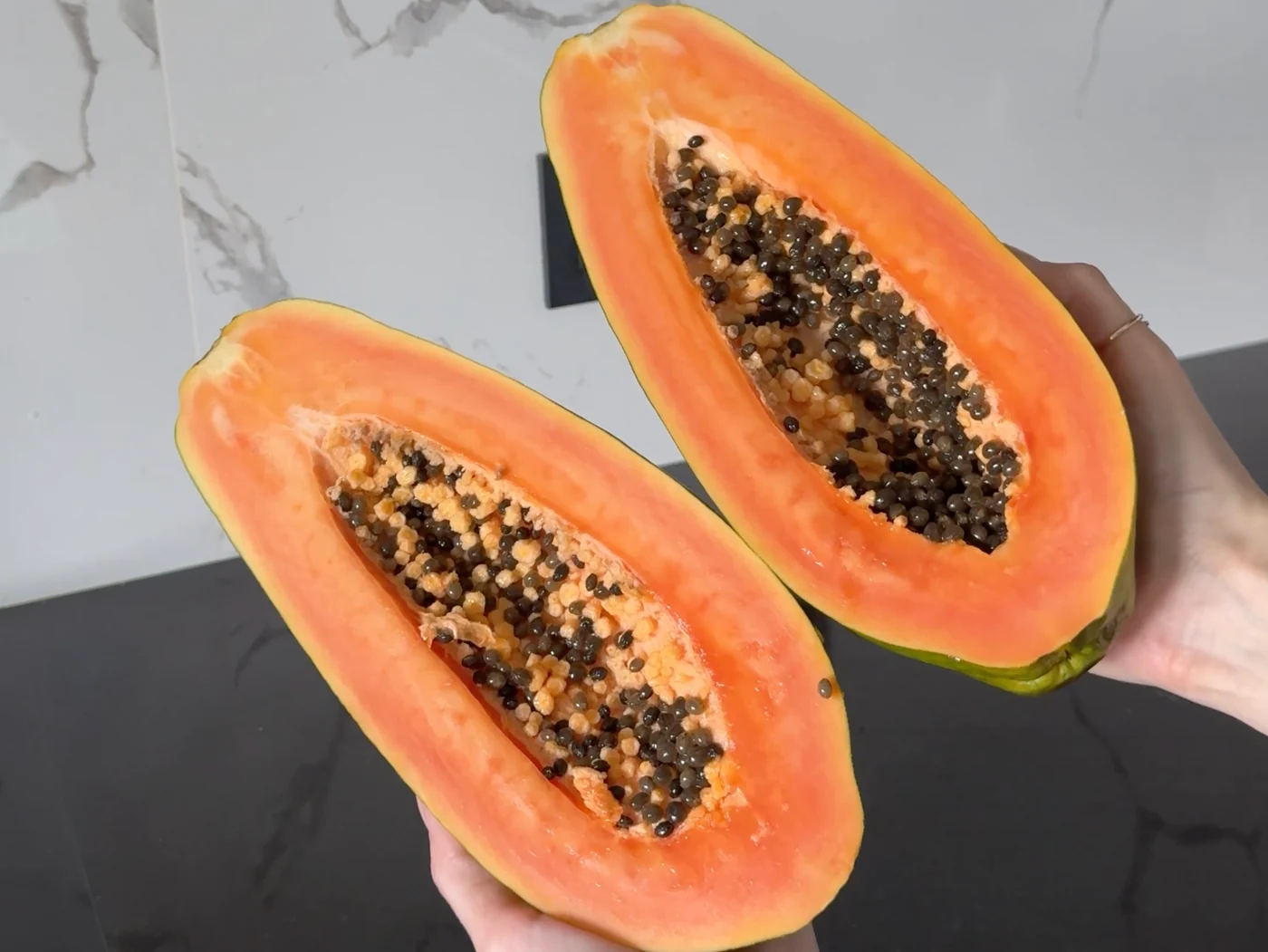
The foods I come back to, how I think about magnesium, omega-3s, zinc and probiotics, and real daily limits.
- Research
- Sources
Gut health checklist, part 4
Small daily habits for better digestion and glowing skin: protein, plants, a walk after meals, sleep and calm.
- Research
- Sources
Tell me what your skin feels like, and I will show you what to look for and what to skip.
Open the skin guide