Gut Health and Skin: How Your Gut Shows Up on Your Skin Barrier
Your gut and your skin talk to each other all day long. When the gut is out of balance, the skin barrier is often one of the first places I would look: redness, tightness, breakouts, products that suddenly sting. This is part 1 of my skin barrier and gut health series, with the research behind it.
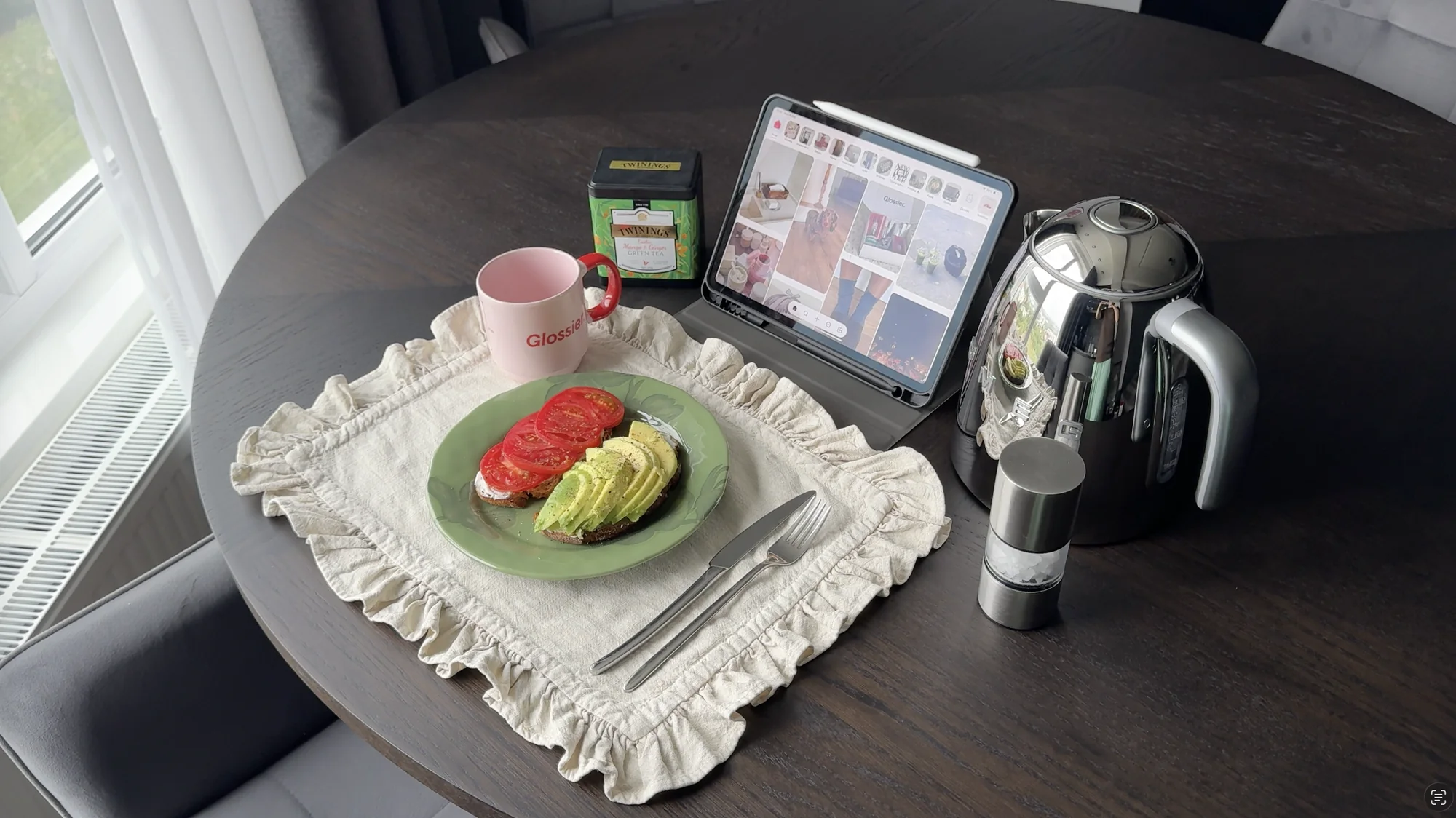
If your skin flares up when your stomach feels off, you are not imagining a link. Scientists call it the gut-skin axis, and it is one of the most discussed ideas in skincare and dermatology right now. The research is growing fast, but it is also easy to oversell: much of it shows associations, not proof that gut changes cause a particular skin problem.
In this note I explain how the gut and skin are connected, what the evidence can and cannot tell us, how a struggling barrier looks and feels, and what I would do first. This is general information from my own reading, not medical advice.
Key takeaways
- The gut and skin are linked through the immune system, hormones, nerves and substances made by gut bacteria.
- Gut imbalance is associated with acne, eczema, psoriasis and rosacea, but the evidence is mostly observational.
- Stress hormones can weaken the skin barrier directly, which is one reason stress shows up on both gut and skin.
- Your skin can only use the nutrients your gut absorbs: zinc, omega-3s, vitamin A, vitamin C and amino acids all matter.
- The most useful approach is inside and outside: food, sleep and stress care, plus a gentle skincare routine.
What is the gut-skin axis?
The gut-skin axis is the two-way communication between your digestive tract and your skin. Trillions of microbes live in your gut, and they influence the rest of the body through several routes:
- The immune system. A large part of your immune system sits around the gut. Gut microbes help train it, and an over-active response can show up as inflammation elsewhere, including the skin.
- Microbial by-products. When gut bacteria ferment fibre they make compounds such as short-chain fatty acids, which are studied for their anti-inflammatory effects.
- Hormones and nerves. The gut and skin both react to stress signals, which is why a stressful week can affect digestion and skin together.
- Nutrient absorption. The gut is where the building blocks for skin repair enter the body.
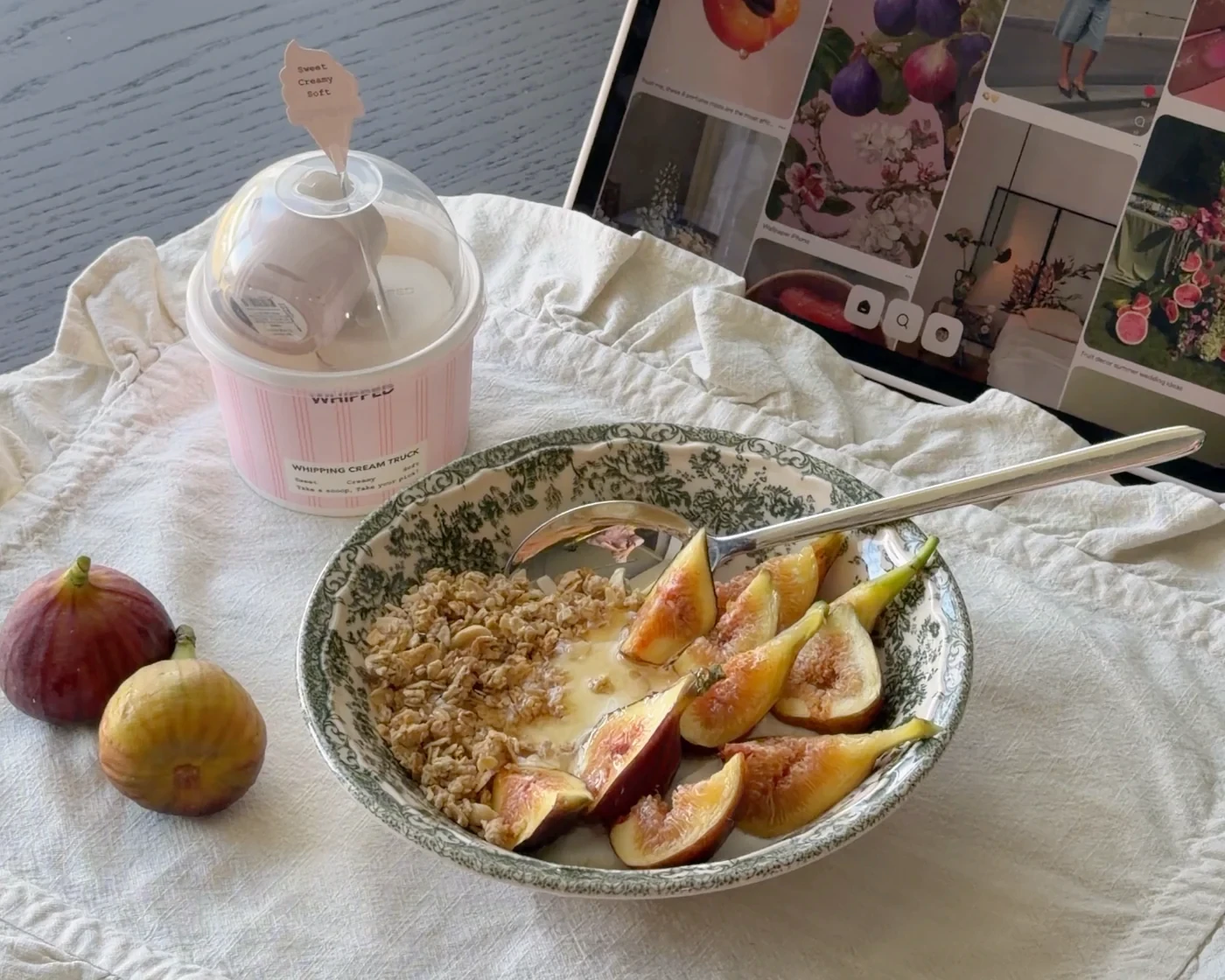
the immune response stays calmer and the skin barrier tends to hold up well
inflammation can rise and the skin tends to become reactive
What does the research actually show?
I want to be honest here, because this topic is full of confident claims. Reviews of the gut-skin axis describe links between the gut microbiome and several skin conditions, including acne, atopic dermatitis (eczema), psoriasis and rosacea. They also describe how diet, probiotics and other gut-directed approaches might change skin outcomes.
At the same time, those reviews point out that many findings come from observational studies, small trials and animal work. That means they show patterns, not that fixing the gut will clear a given skin problem. The probiotics example is a good illustration: a recent review of nine randomized trials in acne reported that lesion counts fell after 12 weeks of oral probiotics, but only slightly at 4 weeks, and the authors say larger trials are still needed.
The gut-skin axis is a promising way to think about skin, not a magic switch.
What happens when gut health is compromised?
A gut imbalance can feed into a weaker skin barrier. Common triggers include:
- chronic stress
- poor digestion or irregular eating
- frequent antibiotics
- a diet low in fibre and high in highly processed foods
Researchers describe a chain where these factors may increase intestinal permeability (often called “leaky gut”), let more inflammatory signals into the bloodstream and keep the immune system on alert. For the skin, the result I would watch for is a barrier that is inflamed, fragile and slower to repair.
Increased intestinal permeability is something scientists measure, but “leaky gut syndrome” is not an accepted stand-alone diagnosis. I use it as a picture of what may be going on, not as a label for what you have.
How gut problems can show up on your skin
Skin signs linked to internal inflammation can look like this:
- persistent acne, often around the jaw and chin
- redness, burning or flushing
- eczema or dermatitis
- tight, dehydrated skin
- sudden sensitivity to products you used to tolerate
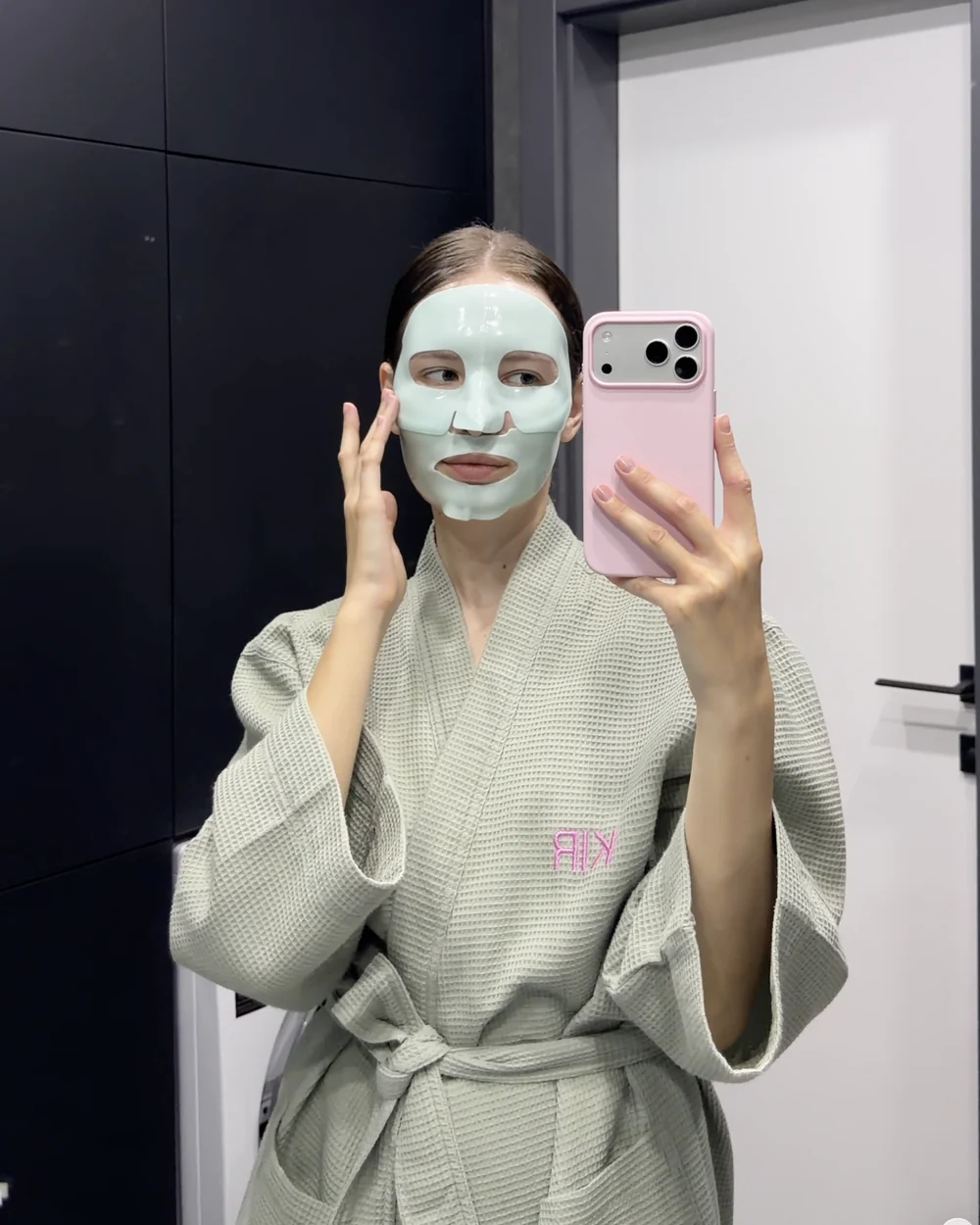
These are signs that your barrier is struggling to protect and regulate itself, not that your skin is “bad”.
These symptoms have many causes, including genetics, hormones, weather, sun and skincare choices, so the gut is only one piece. If you recognise several of them, it is worth looking at both what you eat and how gentle your routine is. I explain the skincare side in my barrier repair playbook.
Stress: the link that shows up in both places
Stress is the part of the gut-skin story I find most practical. A review of 21 studies on stress and the epidermal barrier describes how psychological stress activates the body’s stress-hormone system, and that these hormones can lower the skin’s barrier lipids and structural proteins, reduce hydration and increase water loss through the skin. Stress also changes digestion and gut motility.
So a skin barrier under stress and a gut under stress are often the same story told twice. That is why sleep, rest and slower routines belong in any skin plan, a theme I come back to in my daily gut health checklist.
Nutrients that support the skin barrier
Barrier repair also depends on the right building blocks, and your gut is where they are absorbed. These are the ones I focus on:
| Nutrient | What it does for skin | Where I look for it |
|---|---|---|
| Zinc | Supports wound healing and recovery after breakouts | Pumpkin seeds, chickpeas, eggs, shellfish |
| Omega-3s | Support barrier lipids and help calm inflammation | Salmon, sardines, walnuts, chia, flaxseed |
| Vitamin A | Supports skin renewal | Eggs, sweet potato, carrots, leafy greens |
| Vitamin C | Needed to make collagen | Citrus, kiwi, bell peppers, berries |
| Amino acids | Building blocks of skin structure | Eggs, fish, yogurt, lentils, tofu |
If absorption is impaired, skincare on top cannot fully make up for it. That is why I think of nutrition as the foundation and serums and creams as the support.
The US National Institutes of Health sets the daily upper limit for zinc at 40 mg for adults, from all sources, and for preformed vitamin A at 3,000 mcg. Too much zinc over time can lower copper levels, and too much preformed vitamin A during pregnancy can cause birth defects. I would speak to a doctor before taking either as a supplement.
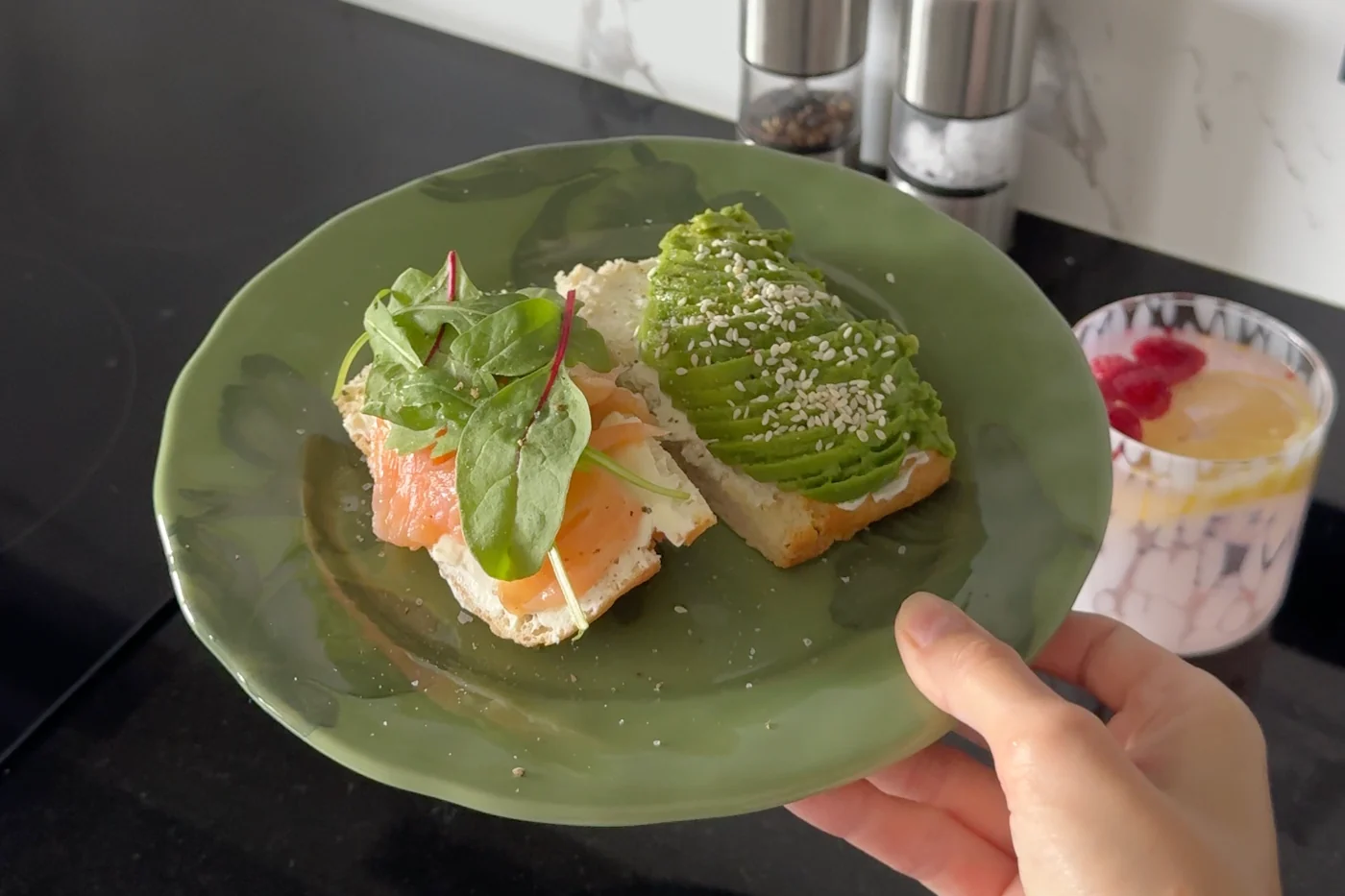
Skin barrier healing is inside plus outside
True repair takes both sides. For me that means:
- calming gut inflammation with regular meals, fibre and variety
- supporting digestion and absorption
- reducing stress load and protecting sleep
- gentle, barrier-safe skincare
Healthy skin isn’t about doing more. It’s about supporting your body properly.
What I would do first
I would not start with a strict protocol. These are the steps I would try first, one at a time, and give each a few weeks:
- Eat more variety. Many different plants through the week, with plenty of fibre.
- Build a plate for the barrier. A protein, an omega-3 source and colourful fruit or vegetables.
- Keep highly processed foods occasional. They do not need to disappear, they just should not be the base.
- Protect sleep and stress. Both affect the gut and the skin.
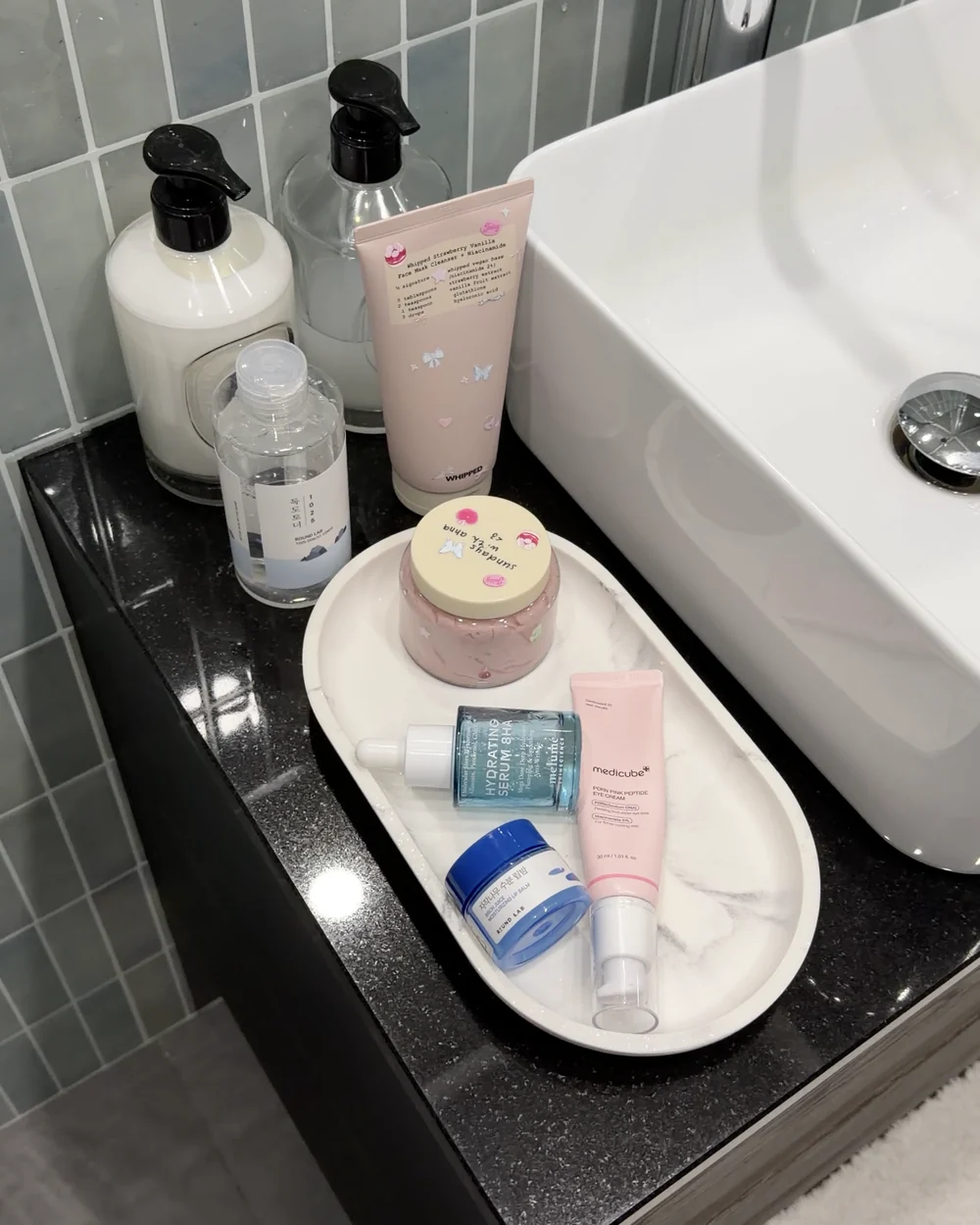
- Keep skincare gentle. A mild cleanser, a moisturiser with ceramides, SPF, and a pause on strong actives while your skin is reactive. Centella is a calming option.
If you have persistent eczema, severe or painful acne, or digestive symptoms such as ongoing pain, bloating, blood in the stool or unexplained weight loss, please see a doctor or dermatologist. I am not a medical professional, and this note is not a substitute for one.
Gut health and skin: common questions
Does gut health affect skin?
It can. The gut and skin communicate through the immune system, hormones, nerves and microbial by-products, and studies link gut imbalance with acne, eczema, psoriasis and rosacea. Most of the evidence is observational, so I see gut health as one factor among several, not the single cause.
Can gut problems cause acne?
They may play a role for some people, mainly through inflammation, but acne also depends on hormones, oil production, genetics and skincare. If your acne is persistent or painful, a dermatologist can look at the whole picture.
What are the signs of a damaged skin barrier?
Tightness, dehydration, redness, burning or stinging, flaking and sudden sensitivity to products that used to feel fine. They point to a barrier that is struggling and have many possible causes, not only the gut.
What is leaky gut and is it real?
Increased intestinal permeability is a real, measurable phenomenon that researchers study. “Leaky gut syndrome” as a stand-alone diagnosis is not accepted in mainstream medicine, so I treat it as a useful picture, not a diagnosis.
Do probiotics help skin?
Early research is promising for acne: a 2025 review of nine randomized trials found lesion counts dropped after 12 weeks, but not at 4 weeks, and the authors call for larger trials. I would talk to a doctor first and introduce them slowly.
Which foods support the skin barrier?
I start with sources of omega-3s, zinc, vitamin A, vitamin C and protein: fatty fish, eggs, seeds, citrus, berries, leafy greens and legumes. Part 2 of this series covers foods and supplements in detail.
Continue the series
Part 2: my food and supplements guide, part 3: hidden skin triggers, part 4: my daily gut health checklist and part 5: my grocery list for glowing skin.

Hi, I’m Anna. I share honest skincare reviews, simple routines and gut-friendly habits from my own life, on Instagram, on YouTube and here. I am not a doctor or a dietitian: I read the research and official sources, link them at the end of each note, and keep my claims careful. More about me and how I write these notes.
Want more notes like this?
One honest recommendation in your inbox every Sunday: skin tips, simple food ideas and the picks I actually use.
No spam, unsubscribe any time.Sources
- The gut-skin axis: emerging insights in understanding and treating skin diseases through gut microbiome modulation, review, PMC.
- The gut-skin axis: a bi-directional, microbiota-driven relationship, review, Gut Microbes (2025).
- Gut microbiome as a major regulator of the gut-skin axis, Frontiers in Microbiology (2018).
- Impact of gut microbiome on skin health: gut-skin axis observed through the lenses of therapeutics and skin diseases, Gut Microbes (2022).
- The impact of stress on epidermal barrier function: an evidence-based review, PubMed.
- New review finds oral probiotics improve acne outcomes, EMJ summary of a systematic review of nine randomized trials.
- Zinc fact sheet for consumers, NIH Office of Dietary Supplements.
- Vitamin A fact sheet for consumers, NIH Office of Dietary Supplements.
Keep reading
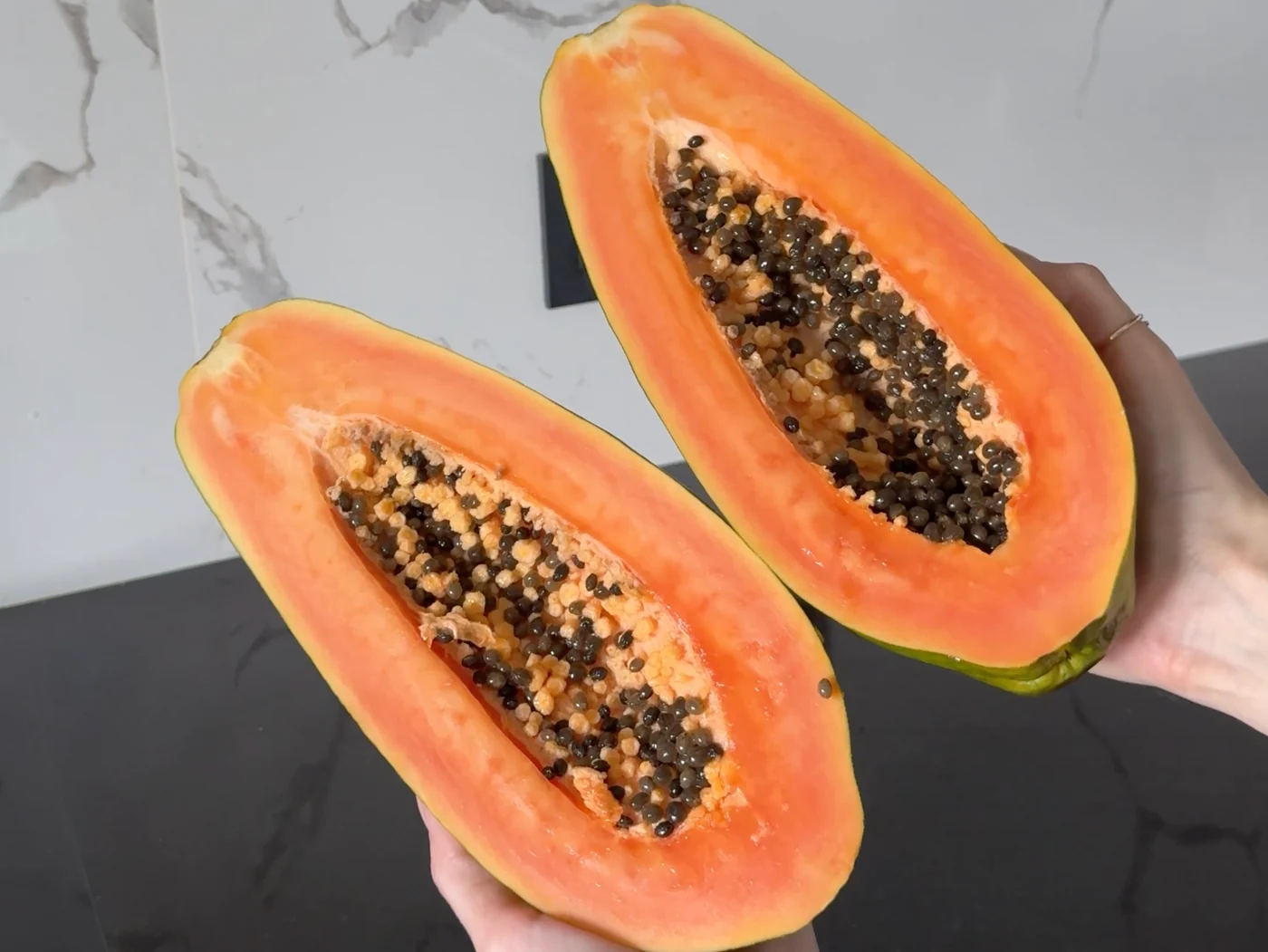
Foods for glowing skin, part 2
The foods I come back to, how I think about magnesium, omega-3s, zinc and probiotics, and real daily limits.
- Research
- Sources
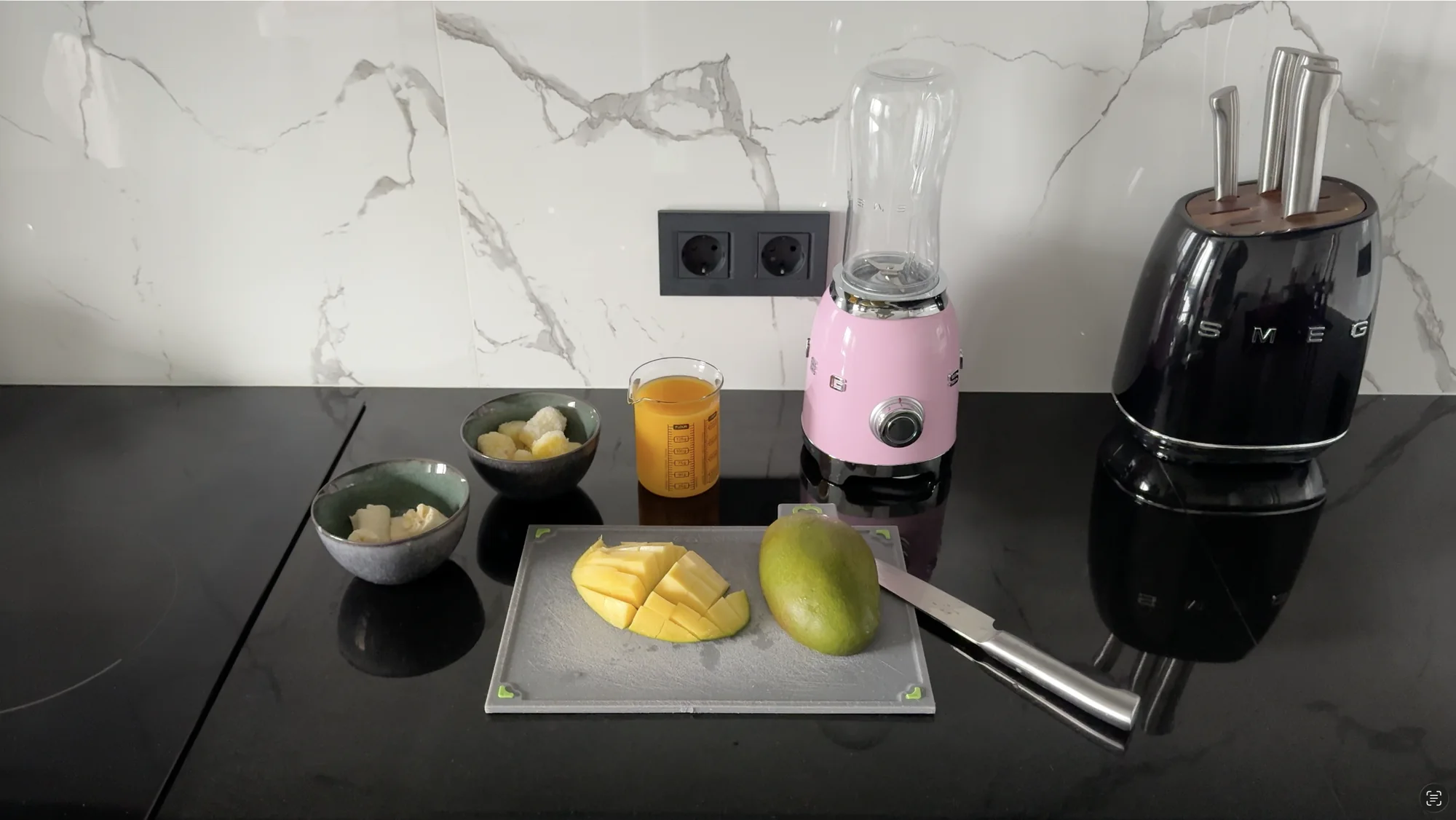
Best foods for skin, part 5
My grocery list for glowing skin and a healthy gut, with real numbers and honest limits.
- Research
- Sources

My morning routine for dry skin in winter
What I used at Badeschloss in Bad Gastein: face products, eye patches and SPF.
- Face products
- Eye patches
- SPF
Tell me what your skin feels like, and I will show you what to look for and what to skip.
Open the skin guide